

For most US buyers, the best Honduran coffee is a medium roast, washed Arabica from the Marcala or Copán region. Honduras is a leading coffee producer in Central America, and nearly all its output is high-altitude Arabica known for rich natural sweetness and balanced acidity. Flavor notes in Honduran coffee often include milk chocolate, caramel, nuts, and citrus, with a typically medium body that suits drip, pour-over, and espresso drinkers alike.
Key Takeaways
- A washed, strictly high grown Marcala lot (like COMSA cooperative coffee) is the strongest all-around pick for drip and pour-over. A Copán origin from Volcanica offers chocolatey value, and Spirit Animal delivers an organic light-roast option.
- Rankings here are based on researched editorial analysis of verified third-party reviews, origin data, and expert sources, not on Capitol City Coffee’s own hands-on testing.
- Honduran coffee suits everyday drinkers who like smooth, chocolate-forward profiles, plus light-roast fans seeking brighter lots from regions like El Paraíso or Opalaca.
- This guide covers top Honduran coffee brands, how to choose among coffee growing regions and roast levels, brew-method fit, and how to keep beans fresh roasted for the best flavor.
Our Top Picks: Best Honduran Coffee (Quick Answer)
Here are the fastest recommendations if you already know what you want.
Capitol City Coffee is an independent editorial site that may earn a commission from qualifying purchases at no extra cost to you. Our rankings are based on researched analysis, not payouts.
- Best Overall – Honduras COMSA Marcala SHG (Del’s Coffee Roasters). Washed, medium roast, chocolate-caramel sweetness with gentle citrus. A smart starting point if you’re new to Honduran coffee.
- Best Budget – Papa Chilo Honduras. Rich but mild with a captivating smell. Good value in larger bag sizes for heavy drip drinkers.
- Best for Espresso Americano – Honduras Copán (Volcanica Coffee Co.). Medium roast, dark chocolate and nuts, syrupy body. Easy to find online in the US.
- Best Light Roast – Spirit Animal Honduras. Tastes like white chocolate and is organic. Bright and delicious for pour-over.
- Best from Copán – Finca Tres Marias. Offers coffee with amaretto and pepper flavors alongside classic Copán chocolate notes.
- Best Organic/Fair Trade – COMSA Marcala Organic. Cooperative-grown, certified, balanced sweetness.
- Best Decaf – Luna Azul Decaf (La Colombe). Swiss Water processed, retains chocolatey sweetness, smooth as black coffee or with milk.
At a glance
Compare Amazon-available Central America bags on a phone first: listing photo, roast notes, and a Check on Amazon button. Volcanica Copan and Breckenridge Organic Honduras stay in the write-up. Research-rated, not yet brewed by our team.
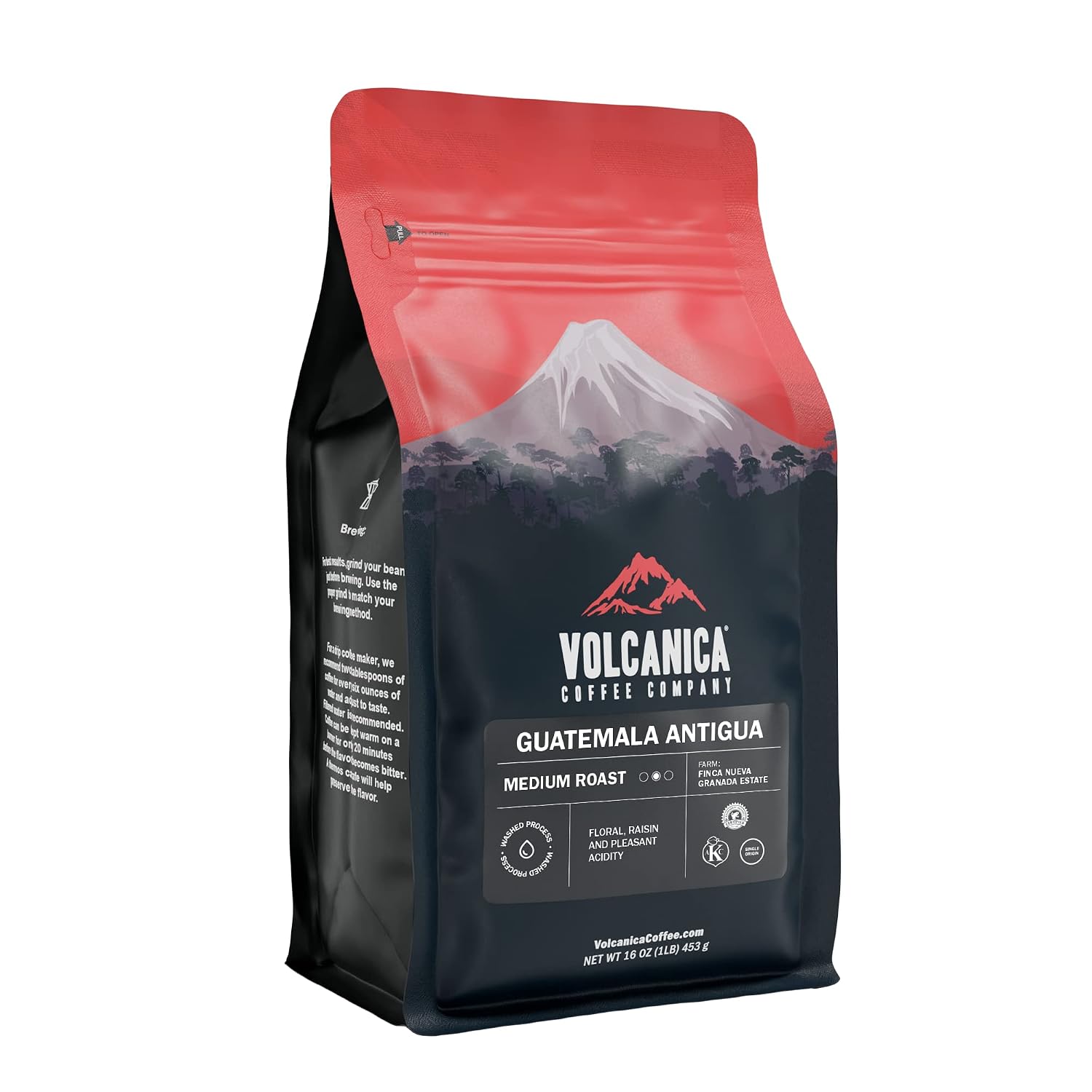
Neighbor origin photo
Volcanica Guatemala Antigua
- RoastMedium
- RegionCentral America companion
Coffee | Region | Processing | Roast | Flavor Notes | Best Brew Methods | Certifications | Price |
|---|---|---|---|---|---|---|---|
COMSA Marcala SHG | Montecillos/Marcala | Washed | Medium | Chocolate, caramel, citrus | Drip, pour-over, French press | Organic, Fair Trade | $$ |
Papa Chilo | Various Honduras | Washed | Medium | Mild chocolate, sweet, aromatic | Drip, cold brew | – | $ |
Honduras Copán (Volcanica) | Copán | Washed | Medium | Dark chocolate, nuts, balanced | Espresso, Americano, drip | – | $$ |
Spirit Animal | Western Honduras | Washed | Light | White chocolate, floral, fruity | Pour-over, Chemex | Organic | $$ |
Finca Tres Marias | Copán | Washed | Medium | Amaretto, pepper, chocolate | Drip, espresso | – | $$$ |
COMSA Organic | Marcala | Washed | Medium | Caramel, stone fruit, nuts | Drip, French press | Organic, Fair Trade | $$ |
Luna Azul Decaf (La Colombe) | Multiple farms | Washed/SWP | Medium | Cocoa, caramel, toffee | Drip, espresso Americano | – | $$ |
How We Chose the Best Honduran Coffee
This is a researched editorial roundup, not a lab test. Picks come from cross-checking expert reviews on sites like Coffeeroast and Bakio, origin data, and Honduras coffee grading information.
Coffees were prioritized from traceable farms, cooperatives, or clearly labeled coffee growing regions with verifiable altitude, processing, and varietal data. We weighed flavor profile balance, lot consistency, freshness practices, and value for US buyers. Widely available Honduran coffee brands with strong verified feedback and transparent sourcing received extra consideration, but commission rates did not affect rankings. The list intentionally covers light through dark roast levels, decaf, and espresso-focused options.
Detailed Reviews: Best Honduras Coffees by Use Case
Each pick below includes origin details, tasting notes, brew-method fit, and trade-offs. Impressions come from aggregated third-party expert consensus, not Capitol City Coffee’s own cupping sessions.
Best Overall Honduran Coffee for Most People
- Coffee: Honduras COMSA Marcala SHG (Del’s Coffee Roasters)
- Region: Montecillos/Marcala, ~4,000–5,600 ft. Marcala is known for high-quality Honduran coffee production, with its denomination of origin status.
- Varietals: Bourbon, Catuai, Caturra. Processing: washed. Roast: medium.
- Flavor: Milk chocolate, toasted nuts, gentle citrus, caramel sweetness. Medium acidity, rounded body. Honduran coffee is best enjoyed as a medium roast for flavor, and this one proves it.
- Brew fit: Excellent for auto-drip, pour-over, and French press. Dialed-in grind keeps sweetness forward.
- Value: Mid-range pricing (~$2/oz). Ships fresh roasted. Not the cheapest option, but exceptional quality for daily drinking.
- Limitation: Light-roast specialists might prefer a brighter El Paraíso coffee instead.
Best Budget Honduran Coffee
- Coffee: Papa Chilo Honduras
- Papa Chilo coffee is rich but mild with a captivating smell. Straightforward chocolate notes, nuts, mild sweetness, low acidity.
- Available in larger bag sizes, making it economical for heavy coffee drinkers who want more coffee without paying premium microlot prices.
- Works well with drip, French press, and cold brew. May lack the complexity baristas seek for high-end pour-over experiments.
- A solid entry-level choice that still represents a recognizable Honduran profile.
Best Honduran Coffee for Espresso and Espresso Americano
- Coffee: Honduras Copán (Volcanica Coffee Co.)
- Medium roast from Copán. Coffees from Copán have chocolate flavor and balanced body. Thick crema, dark chocolate, roasted nuts, hints of dried fruit.
- Espresso Americano is widely available across Honduras, and this bean replicates that experience at home. Enough sweetness and robust flavor to hold up in milk drinks.
- Also works in moka pot or Aeropress concentrated brews.
- Trade-off: Less bright acidity and fewer floral notes compared to lighter-roasted Honduras coffee beans designed for filter brewing.
Best Light Roast Honduran Coffee
- Coffee: Spirit Animal Honduras
- Spirit Animal coffee tastes like white chocolate and is organic. Bright, fruity, with floral aromatics and honeyed sweetness.
- Light to medium body with a clean finish. Ideal for pour-over methods (V60, Chemex, Kalita) where clarity shines.
- From higher-altitude farms. May be slightly higher priced or seasonally limited.
- Light-roast Honduran beans can be less forgiving if ground too fine or brewed too hot, so precise brewing is recommended.
Best Honduran Coffee from Copán
- Coffee: Finca Tres Marias
- Finca Tres Marias offers coffee with amaretto and pepper flavors alongside dark chocolate and brown sugar. Light orange brightness rounds it out.
- Copán’s altitude (around 3,300–4,900 ft) and volcanic-influenced mountain ranges produce balanced cups many drinkers compare favorably to neighboring Guatemala.
- Varietals include Bourbon, Caturra, and Catuai, contributing to a classic Central America cup profile.
- Appeals to drinkers who like smooth, low-bitterness cups. A delicious everyday drink that sits above generic supermarket blends.
Best Honduran Coffee from El Paraíso
- The El Paraíso region has higher acidity and subtle sweetness. Altitudes of roughly 3,300–4,600 ft and varieties like Catuai, Caturra, and Parainema produce complex, fruit-forward cups.
- Flavor notes lean toward citrus, stone fruit, and floral aromatics. This pick suits drinkers who want a bright, balanced cup beyond purely chocolatey profiles.
- Best brewed as light to medium roast pour-over or Aeropress. Careful grind and water temperature control keep the cup from veering into tartness.
- A passion pick for adventurous palates exploring what Honduran coffee growing regions can produce beyond the familiar honey and chocolate notes.
Best Organic/Fair Trade Honduran Coffee
- Coffee: COMSA Marcala Organic
- Approximately 95% of Honduras’s coffee is grown by small, independent family farms. COMSA represents hundreds of these local farmers with shade-grown, certified organic practices.
- Balanced sweetness, medium body, caramel, chocolate, gentle citrus. Versatile for drip, pour-over, and French press.
- USDA Organic and Fair Trade certifications signal reduced chemical use and fairer prices for farms, though they add modest cost.
- Not every outstanding Honduran coffee is certified, but this pick offers strong flavor, traceability, and ethics for US buyers.
Best Decaf Honduran Coffee
- Coffee: Luna Azul Decaf (La Colombe)
- Swiss Water processed from farms at ~1,400–1,800 m elevation. Cocoa, caramel, mild red fruit, smooth low acidity.
- Water-processed decaf methods preserve more original flavor than older solvent-based approaches. Performs well as both drip and espresso Americano without caffeine.
- Decaf beans can extract differently; grind a bit finer or extend brew time to match regular strength.
- Decaf availability is somewhat more limited than regular Honduras coffee beans. Lighter-roast decafs remain rare.
Understanding Honduran Coffee: Regions, Varieties, and Flavor
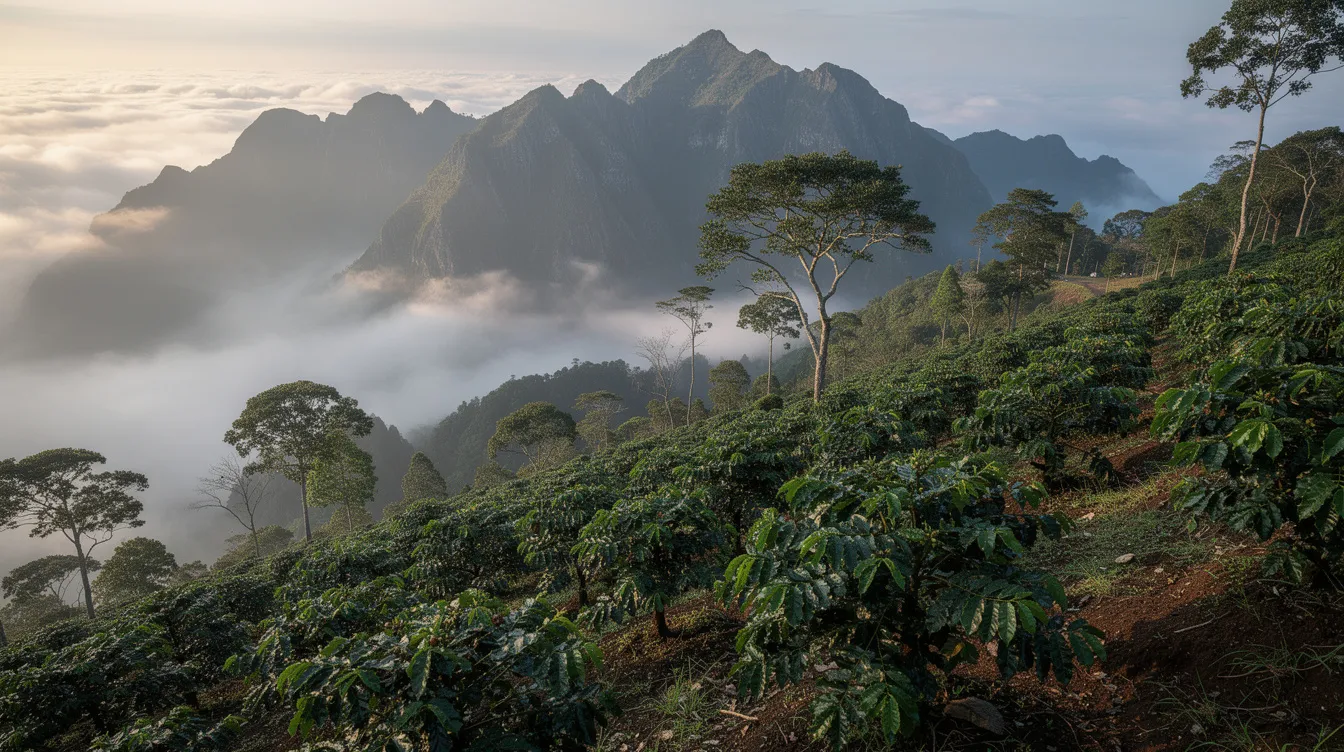
Honduras has evolved into one of the most respected specialty coffee origins in the world. Honduras produced 6,100,000 bags of coffee in 2020, rivaling many larger countries. Honduras has made significant advances in quality control, processing techniques, and producer education. The Cup of Excellence competition has helped promote exceptional Honduran coffees worldwide.
Honduran coffee is typically grown at altitudes of 3,300 to 6,000 feet above sea level across mountainous terrain in western and central regions. Honduran coffee features diverse flavor profiles due to various microclimates, and Honduran coffee is characterized by complex flavors due to slow maturation of coffee cherries at elevation. Honduran coffee is graded by altitude grown, with strictly high grown coffee being the highest quality designation.
Key Coffee Growing Regions in Honduras
Regions in Honduras include Copán, Montecillos, Comayagua, Opalaca, El Paraíso, and Agalta. Each produce distinct cup character:
- Copán: Western border with Guatemala. 3,300–4,900 ft. Chocolate, caramel, light citrus, creamy body.
- Montecillos/Marcala: Honduras received its first Geographical Indicator designation in 2006 for Marcala Coffee. Marcala is known for its high-quality coffee at 6,000 feet. Sweet, balanced, stone fruit, nutty caramel.
- Opalaca: Higher altitudes up to ~6,000 ft. Complex acidity, floral, citrus, rich caramel combinations.
- Comayagua & Agalta: Agalta coffee features tropical fruit flavors at 3,300 to 4,600 feet. Sweet, citrusy, tropical influence.
- El Paraíso: One of the oldest coffee regions in Honduras. Higher-acid coffees with subtle sweetness. Catuai, Caturra, Parainema.
Varieties, Processing, and Typical Flavor Notes
Honduran coffee varietals include Bourbon and Caturra, along with Catuai, Typica, Pacas, and newer rust-resistant hybrids like Lempira and IHCAFE 90. Small but growing production includes Geisha and Pacamara.
Honduran coffee is often processed using the washed method, producing clean profiles with chocolate, gentle citrus, caramel, and soft nutty notes. Alternative processes (natural, honey, anaerobic) can add berry, tropical fruit, or winey intensity. If you want safe, balanced cups, look for washed, SHG labels. If you want adventurous stuff, try honey or natural-process micro-lots.
How to Choose the Best Honduras Coffee for You
The best coffee depends on your roast preference, brew method, budget, and palate. Here’s a simple framework:
- Classic drinkers: Start with medium roast whole bean from Copán or the Marcala region. Chocolatey, sweet, low acidity.
- Bright/fruity fans: Look for light-roast coffees from Montecillos, Opalaca, or El Paraíso. Possibly honey or natural processed.
- Whole bean vs. ground: Whole bean coffee preserves flavor better than pre-ground options. Use ground coffee quickly.
- Avoid dark roasts to preserve Honduran coffee’s subtle flavors. Medium roast is the sweet spot for most.
- Certifications: Fair Trade and Organic can be worth paying for if environmental and social impact matter, but uncertified lots from local farmers can be equally good.
- Rule of thumb: Medium roast for drip beginners, lighter roast for pour-over exploration, medium-dark specifically for espresso.
Brewing and Freshness Tips for Honduran Coffee
Even the best Honduras coffees can taste flat or bitter without proper brewing and storage.
- Freshness: Buy fresh roasted coffee with recent roast dates. Peak flavor hits roughly 4 days to 4–5 weeks post-roast, and beans lose flavor if they sit too long after roasting.
- Grind: Grind just before brewing with a burr grinder. This matters most for lighter-roast beans.
- Water: Use clean, filtered water at 195–205°F. Adjust slightly cooler for very light roasts.
- By method: Medium grind for drip, medium-fine for pour-over, coarse for French press, fine for espresso. French press brewing enhances the complex flavors of Honduran coffee. Honduran coffee is ideal for Chemex or Hario V60 brewing.
- Storage: Keep beans in an opaque, airtight container at room temperature. Skip the fridge. Buy smaller amounts each week so coffee does not sit around too long between brews.
- Cold brew: Chocolate-forward Honduran coffees make an awesome cup as cold brew. Use coarse grind and steep 12–18 hours in the fridge.
Related Coffee Origin Guides from Capitol City Coffee
Honduran coffee sits within a broader landscape of Central and South American origins. Compare with the best Ethiopian coffee beans for more fruit-forward profiles, or explore our guide to the best Colombian coffee beans for nutty-sweet alternatives. For a comparison with Honduras’s neighbor, check our best Guatemalan coffee guide. Browse all origin guides at the Coffee Origins hub or visit our Coffee hub for gear and brewing guides.
Our Honduran Coffee Picks
We matched one coffee to each mood below. Tap the image or the coffee name. Research-rated, not yet brewed by our team.
Feeling quiet: a Copan morning
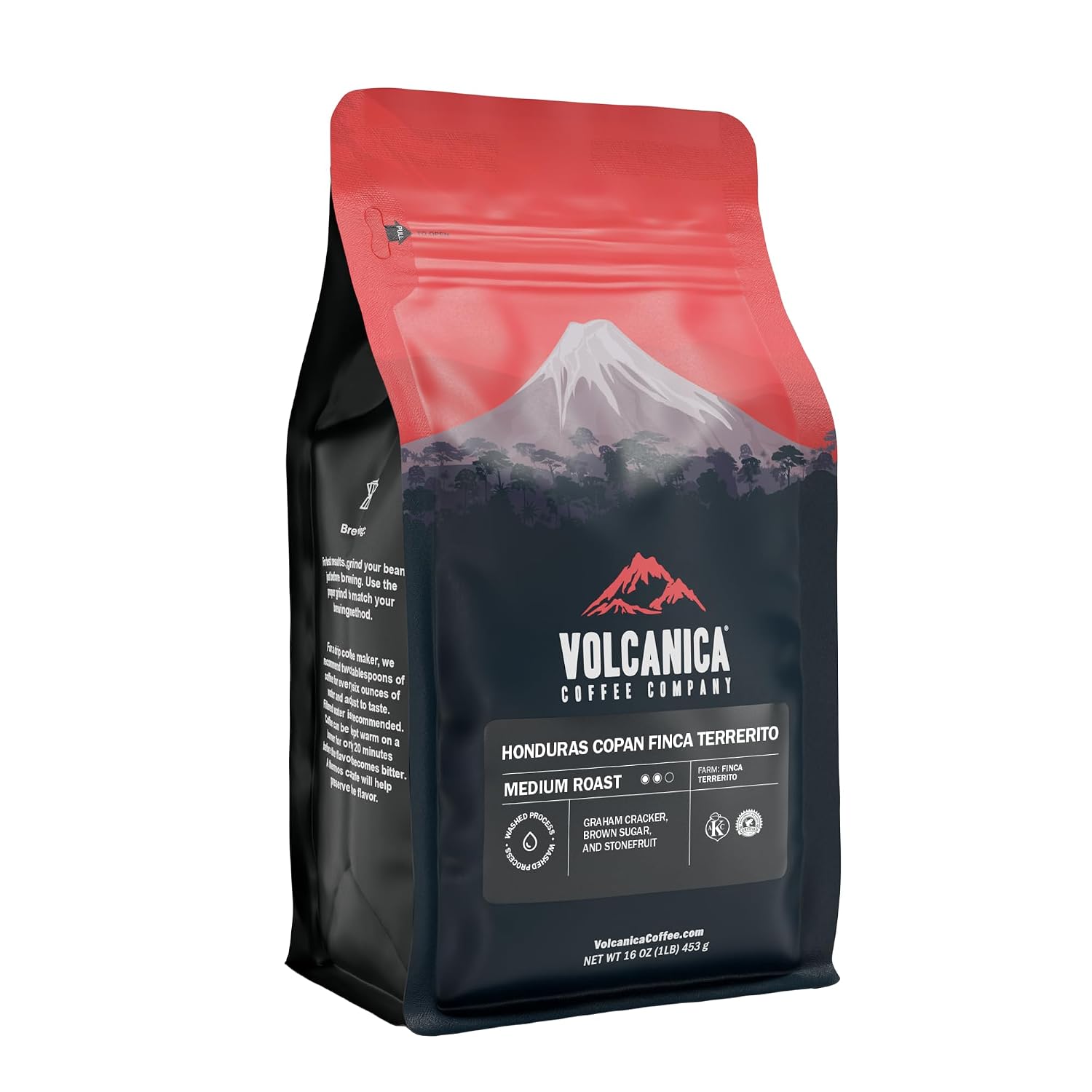
Our pick: Volcanica Honduras Coffee, Copan Region, medium roast, whole bean, 16 oz. A clean, honey-citrus Honduras for pour-over. Research-rated, not yet brewed by our team.
Feeling cozy: a hazelnut evening
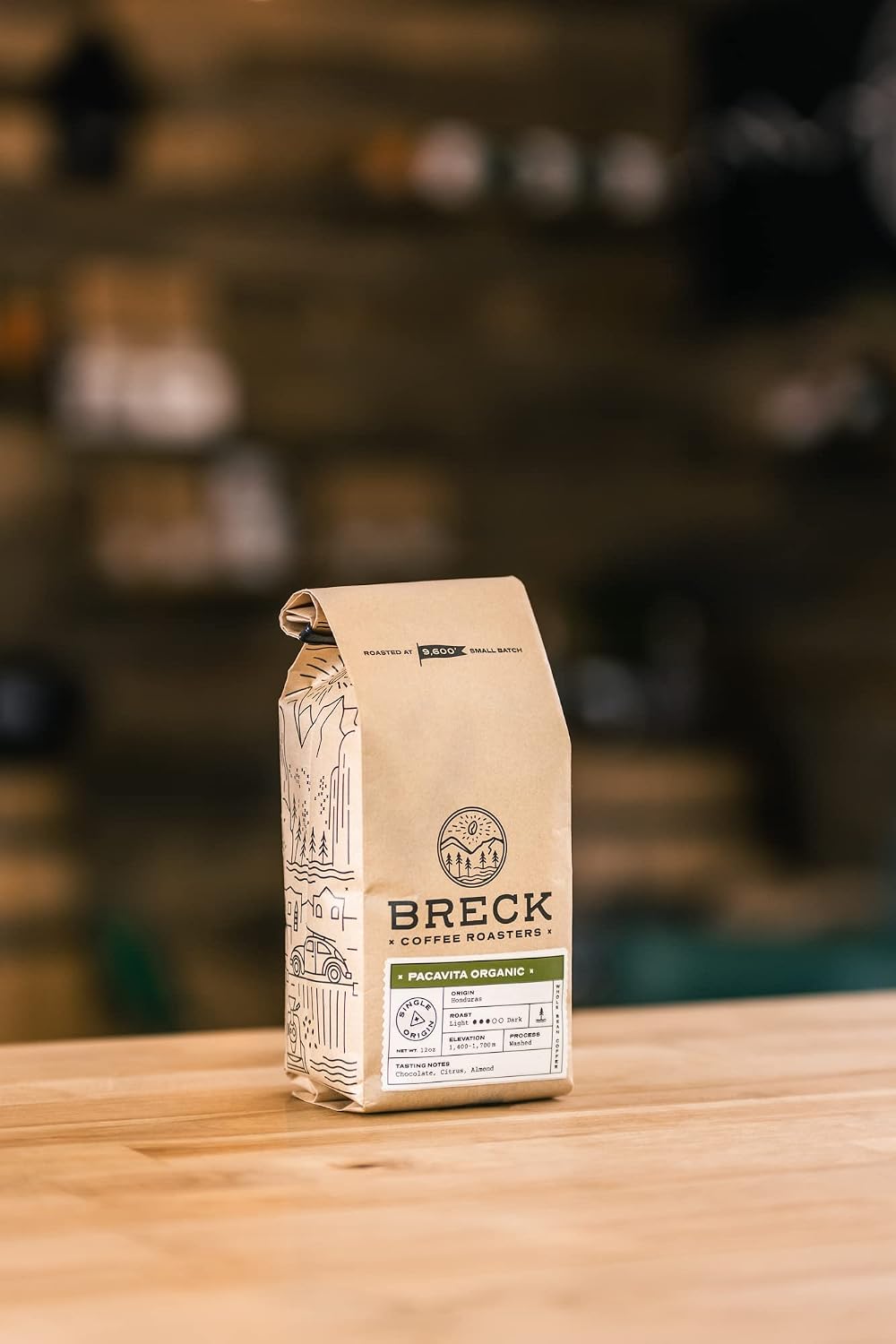
Our pick: Breckenridge Coffee Roasters Organic Honduras, medium roast, whole bean, 12 oz. Nutty, cocoa Honduras for milk drinks. Research-rated, not yet brewed by our team.
Frequently Asked Questions
These FAQs address common questions not fully covered above.
Is Honduran coffee good for espresso and espresso Americano?
Many Honduran coffees, especially from Copán and Marcala, are naturally chocolatey and full-bodied, which makes them well-suited to espresso. Medium to medium-dark roasts work best, providing crema and sweetness. Lighter roasts can taste sharper under pressure and require more precise dialing in. Compared to Costa Rica or El Salvador espresso-origin beans, Honduran lots tend to deliver a sweeter, less acidic shot.
How does Honduran coffee compare to Colombian or Guatemalan coffee?
Honduran coffee often overlaps with Colombian and Guatemalan profiles-balanced, sweet, chocolatey-but is sometimes slightly softer and less aggressively bright than top Guatemalan lots. Many drinkers find Honduran beans a great middle ground: more nuanced than generic blends from any country, but generally very approachable with low bitterness. Colombian coffees may lean more toward citrus and vanilla, while Honduran lots favor caramel and roasted nuts.
What does “Strictly High Grown” mean on Honduran coffee bags?
Strictly high grown (SHG) designates coffee grown above roughly 4,000 feet above sea level, where cooler temperatures slow cherry development and improve bean density. SHG Honduran coffees tend to have more sweetness, clarity, and complexity than lower-altitude lots. It’s a reliable shorthand for higher quality when shopping for the best coffee beans from Honduras, sitting at the top of the altitude-based grading scale used across the coffee industry.
How long will Honduran coffee beans stay fresh after roasting?
For most roasted coffee, flavor peaks between about 4 days and 4–5 weeks after roasting if stored in an airtight, opaque container at room temperature. Lighter roasts may stay vibrant slightly longer, while darker roasts can fade faster. Buy smaller bag sizes more frequently rather than stockpiling. If you find a seasonal microlot, consider splitting the bag with a friend so the beans do not sit too long after roasting.
Are Fair Trade and organic Honduran coffees worth the extra cost?
Organic and Fair Trade certifications signal reduced chemical use and better baseline prices for farmers, which many buyers value. Not all excellent Honduran coffees carry these labels-certification cost and complexity remain a barrier for many smallholder coffee farms. Shoppers who prioritize environmental impact should lean toward certified coffees or documented direct-trade relationships. Others might focus on taste and freshness as primary factors, knowing that many uncertified Honduras lots still reflect exceptional quality and sustainable practices.