


Key Takeaways
- The best Nicaraguan coffee comes from high-altitude farms in the Jinotega, Matagalpa, and Nueva Segovia regions, delivering flavor profiles rich in chocolate, caramel, nuts, and stone fruit with mild acidity.
- Top picks for U.S. buyers include Tiny Footprint Coffee (carbon-negative dark roast), Thanksgiving Coffee Flor de Jinotega (cooperative light roast), Lifeboost (organic medium roast), Twin Engine The Estate (origin-roasted medium), and Café Las Flores (volcanic terroir medium roast).
- Prioritize roast date and whole-bean freshness over packaging-use beans within two to four weeks of roasting and match grind size to your brew method for the best cup.
- These recommendations are based on researched editorial analysis, aggregated expert tasting notes, and third-party consensus, not on Capitol City Coffee’s own roasting or direct sales.
- Ethically sourced Nicaraguan coffees are widely available, with many lots carrying Fair Trade, organic, and shade-grown certifications from cooperatives and smallholder farms.
Best Nicaraguan Coffee: Quick Answer & Top Picks
The best Nicaraguan coffee typically grows at altitudes of 1,100 to 1,600 meters above sea level in rich volcanic soil, where slower bean maturation produces complex flavors anchored by chocolate, caramel, and gentle stone fruit. Nicaragua is the 12th largest coffee-producing country in the world and one of the key origins in Central America, and over 85% of its specialty coffee comes from three northern highland regions: Jinotega, Matagalpa, and Nueva Segovia. Whether you prefer a bright light roast or a bold dark roast, there is a well-sourced Nicaraguan option worth trying.
Capitol City Coffee is reader-supported. When you buy through links on this page, we may earn a small affiliate commission. This does not influence our rankings or recommendations.
Here are our top picks at a glance-detailed reviews and a full comparison table follow below:
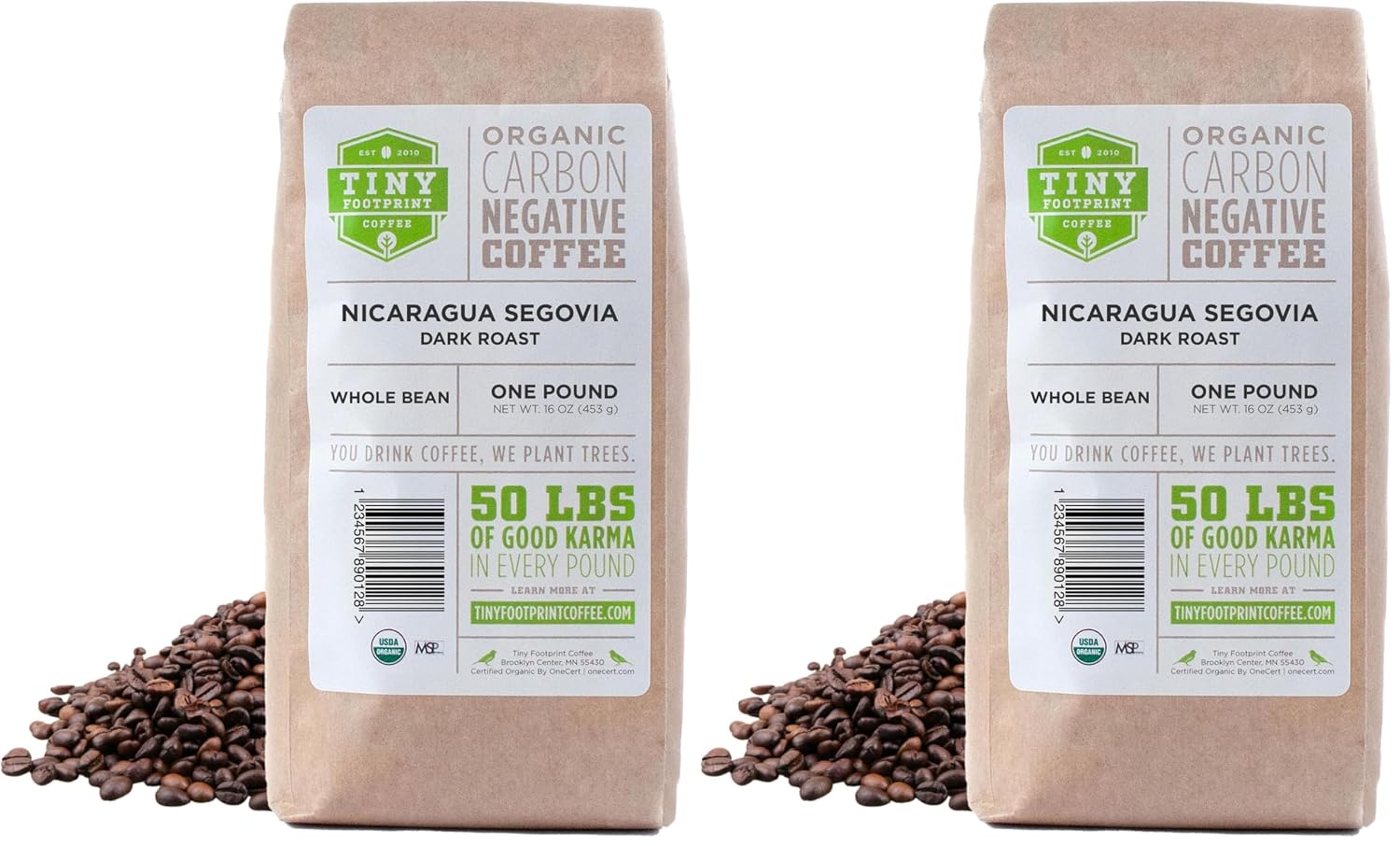
- Tiny Footprint Coffee – Nicaragua Segovia Dark Roast – Dark roast, whole bean, Nueva Segovia. Bold chocolate, apricot, fig. Best for sustainability-minded dark-roast lovers.
- Thanksgiving Coffee – Flor de Jinotega – Light roast, whole bean, Jinotega region. Brown sugar, cacao, stone fruit. Best for pour-over and drip enthusiasts.
- Lifeboost Coffee – Nicaragua Single-Origin – Medium roast, whole bean and ground, Mt. Kilambé. Earthy, nutty, cocoa. Best for those seeking organic beans with a smooth body.
- Twin Engine Coffee – The Estate – Medium roast, whole bean, Isabelia mountains. Chocolate, caramel, citrus. Best for origin-roasted freshness and balanced flavor.
- Café Las Flores – Hacienda El Progreso – Medium roast, whole bean and ground, Volcán Mombacho. Chocolate-nut, mineral sweetness. Best for volcanic terroir and espresso.
- Mayorga Coffee – Nicaragua La Carola – Medium roast, organic, whole bean. Smooth, chocolatey, well balanced. Best budget-friendly organic option.
- Fara Coffee – Nicaraguan Single-Origin – Medium roast, whole bean. Nutty, sweet, mild acidity. Best for buyers who want to support a philanthropic mission.
At a glance
Compare Amazon-available Central America bags on a phone first: listing photo, roast notes, and a Check on Amazon button. Tiny Footprint Nicaragua Segovia and Volcanica Jinotega stay in the write-up (those still use lifestyle photos). Research-rated, not yet brewed by our team.
Nicaragua Amazon link
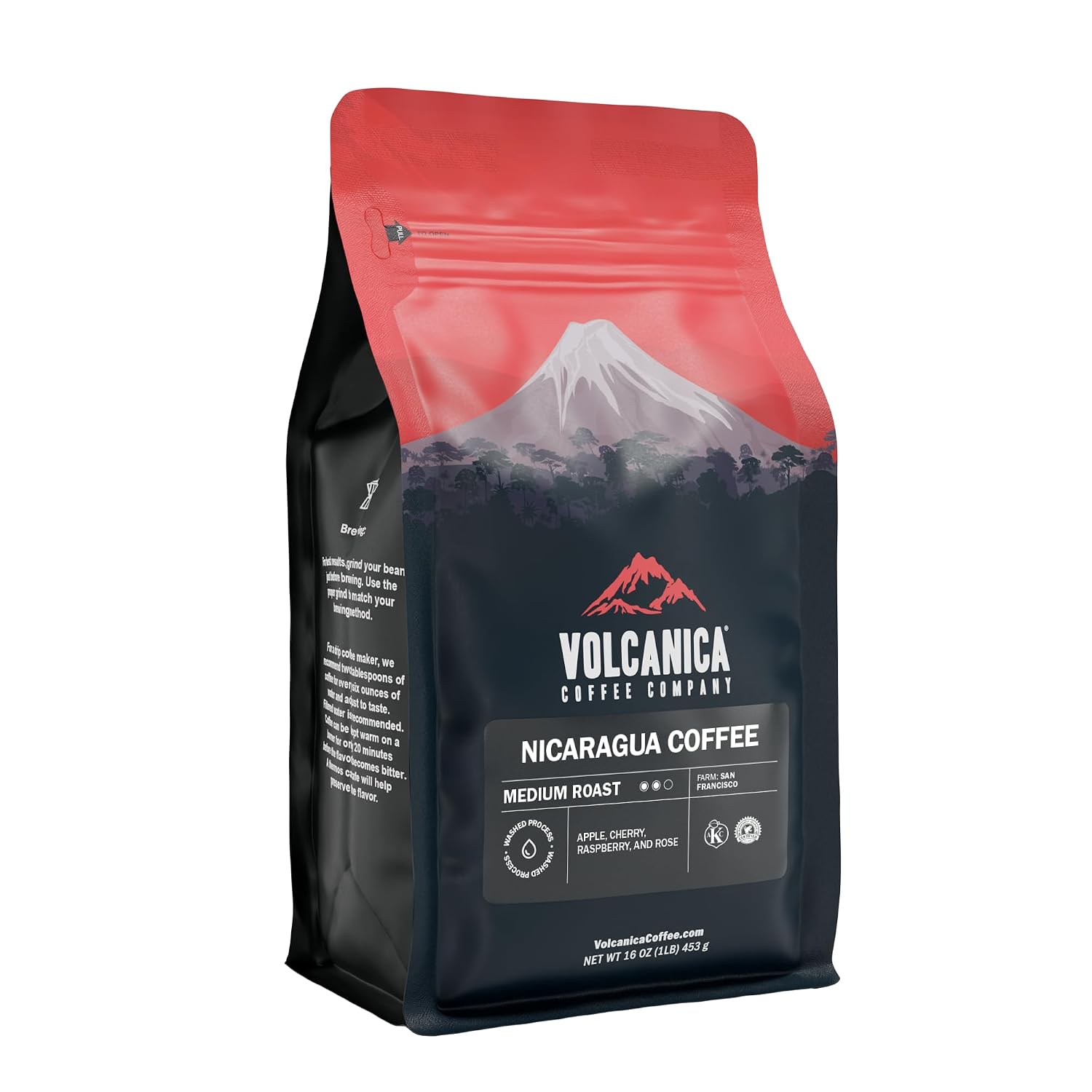
Volcanica Nicaragua Jinotega
- RoastMedium
- NoteOpens the Jinotega listing
Coffee | Origin / Region | Altitude | Varieties & Processing | Roast | Key Flavor Notes | Certifications | Best Brew Methods | Price Tier |
|---|---|---|---|---|---|---|---|---|
Tiny Footprint – Nicaragua Segovia | Nueva Segovia | ~1,200–1,500 m | Caturra, Bourbon; washed | Dark | Dark chocolate, apricot, fig, spice | USDA Organic, Fair Trade, shade grown, carbon negative | French press, cold brew, drip | Premium |
Thanksgiving – Flor de Jinotega | Jinotega | ~1,200 m | Bourbon, Typica, Caturra; washed | Light | Brown sugar, cacao, stone fruit | Cooperative (SOPPEXCCA) | Pour-over, drip | Mid-range |
Lifeboost – Nicaragua Single-Origin | Mt. Kilambé | ~1,300–1,600 m | Not specified; washed | Medium | Earthy, nutty, cocoa, light fruit | Organic, shade grown, mycotoxin tested | Pour-over, drip, French press | Premium |
Twin Engine – The Estate | Isabelia & Dariense mountains | ~1,100–1,500 m | Caturra, Bourbon; washed | Medium | Chocolate, caramel, citrus | Organic, roasted at origin | Pour-over, drip, espresso | Mid-range |
Café Las Flores – Hacienda El Progreso | Volcán Mombacho, Granada | ~800–1,100 m | Estate blend; washed | Medium | Chocolate, nut, mineral, caramel | Rainforest Alliance | Espresso, moka pot, drip | Mid-range |
Mayorga – Nicaragua La Carola | Various Nicaraguan regions | ~1,000–1,400 m | Blend; washed | Medium | Smooth chocolate, balanced sweetness | USDA Organic | Drip, French press | Budget |
Fara Coffee – Nicaraguan Single-Origin | Jinotega / Matagalpa | ~1,100–1,400 m | Caturra, Bourbon; washed | Medium | Nutty, sweet, mild acidity | Philanthropic model | Drip, pour-over | Mid-range |
How We Chose These Nicaraguan Coffees
Capitol City Coffee operates as an independent coffee editorial and affiliate publication-we do not roast, sell, or ship coffee beans. Rankings are never influenced by commission size. No hands-on cupping was conducted for this guide; instead, all selections reflect researched editorial analysis drawn from roaster reputation, aggregated expert reviews, sourcing transparency, and publicly documented tasting notes.
Here is the criteria list behind every pick:
- Origin traceability – Named farms, cooperatives, or growing regions (e.g., Jinotega region, Matagalpa region, Volcán Mombacho).
- Altitude – Preference for high-grown lots above 1,100 meters, where slower maturation builds density and flavor complexity.
- Variety and processing – Representation of classic Nicaraguan varieties (Bourbon, Caturra, Typica) plus rarer options like Pacamara and Maragogipe; washed, honey, and natural lots.
- Certifications and ethics – Organic coffee, Fair Trade, Rainforest Alliance, cooperative-sourced, or direct-trade relationships.
- Sensory profile – Balanced sweetness, moderate acidity, and concrete flavor notes like chocolate, stone fruit, cocoa, and almond confirmed by multiple third-party sources.
- Freshness and U.S. availability – Whole-bean options with roast-date transparency; accessible through major online retailers.
- Price-to-value ratio – Good coffee should not require a second mortgage, so we weigh quality against cost.
This selection aims to reflect the diversity of Nicaraguan coffees-covering classic washed lots, darker espresso-ready roasts, and newer experimental options shaped by the sector’s growth over the course of the 20th century-rather than championing a single style or brand. Recommendations may change as new harvests arrive and climate or political conditions in Nicaragua shift quality and availability.
Detailed Picks: Best Nicaraguan Coffees for Different Needs
Each coffee below gets a fuller profile covering who it suits, how it tastes, ideal brew methods, and honest trade-offs on price, acidity, and availability.
Best for Sustainability: Tiny Footprint Coffee – Nicaragua Segovia Dark Roast
Tiny Footprint Coffee is the world’s first carbon-negative coffee, claiming roughly 54 pounds of CO₂ removed per pound sold. Beans are sourced from small family farms in Nueva Segovia-a region recognized for its complex, bright profiles and high competition success. Segovia coffee is known for sweet, floral notes, though the dark roast here pivots the cup toward bold chocolate, apricot, fig, and warm spice. Body is full, acidity stays low, and the finish is surprisingly smooth for a dark roast. Certified USDA Organic, Fair Trade, and shade grown.
Brew best with: French press and cold brew to preserve layered sweetness; drip works well too.
Drawbacks: The dark roast masks some of the delicate floral and citrus notes that make Nueva Segovia lots distinctive. Pricing sits at the premium tier due to stacked certifications.
Best Cooperative Light Roast: Thanksgiving Coffee – Flor de Jinotega
Thanksgiving Coffee sources its Nicaraguan blend from Jinotega, specifically from SOPPEXCCA, a cooperative of roughly 654 families running programs in education, healthcare, and climate adaptation. Jinotega produces 80% of Nicaragua’s coffee; Jinotega produces Caturra alongside Bourbon and Typica, delivering beans with complex flavors and medium to bright acidity. Varieties here are wet processed after overnight fermentation and sun-dried at around 1,200 meters. Expect brown sugar, milk chocolate, cacao, and summer stone fruit in the cup-clean, sweet, and gently bright.
Brew best with: Pour-over and automatic drip to highlight the stone-fruit sweetness and floral aroma.
Drawbacks: Light-roast body may underwhelm drinkers who want a heavier, richer cup. Not ideal for espresso or milk-based drinks.
Best Organic Medium Roast: Lifeboost Coffee – Nicaragua Single-Origin
Lifeboost markets its beans as single-origin from Mt. Kilambé, shade grown, and organic with third-party mycotoxin testing. The medium roast delivers earthy, nutty notes alongside cocoa and light fruit touches. Body leans medium with a smooth finish. Lifeboost claims a “low acid” profile, but independent pH testing measured the coffee at pH 5.10-more acidic than many standard coffees that carry no such label. Still, perceived acidity is gentle and manageable for most sensitive stomachs.
Brew best with: Pour-over and drip; French press draws out the nutty character.
Drawbacks: The “low acid” marketing is misleading by lab standards. Price is high relative to the flavor complexity. Traceability beyond “Nicaragua” is vague.
Best Origin-Roasted Pick: Twin Engine Coffee – The Estate
Twin Engine Coffee roasts and packages entirely within Nicaragua, keeping more economic value in the country of origin. Their farms sit in the Isabelia and Dariense mountains, growing heritage Caturra and Bourbon varieties under dense shade canopy. Twin Engine Coffee also offers a specialty blend of Maragogype beans for those interested in rare, large-beaned lots. The Estate medium roast balances chocolate and caramel body with citrus brightness and notable sweetness-a well-balanced, gourmet cup.
Brew best with: Pour-over, drip, or espresso for a versatile range.
Drawbacks: Limited export supply means availability can fluctuate. Some batches may lean slightly darker than expected.
Best Volcanic Terroir: Café Las Flores – Hacienda El Progreso
Café Las Flores is popular in Nicaragua with nine branches, and its estate lots come from the slopes of Volcán Mombacho near Granada, the capital city of its department and a tourism and commercial hub. The volcanic, rich soil lends mineral undertones and a distinctive character you won’t find in highland Jinotega lots. Medium-roast versions deliver chocolate, nut, and caramel with a smooth body and mild acidity. The espresso roast pushes toward smoky sweetness suited for milk drinks.
Brew best with: Espresso and moka pot for the darker roast; drip and pour-over for medium.
Drawbacks: Altitude is lower than other picks (around 800–1,100 m), so flavor complexity can be less pronounced. Single-origin packaging for U.S. buyers can be limited.
Best Budget Organic: Mayorga Coffee – Nicaragua La Carola
Mayorga Coffee’s La Carola is a top choice for Nicaraguan coffee on a tighter budget. USDA Organic certified, it delivers a smooth, chocolatey cup that is well balanced and approachable. This is a delicious entry point for anyone exploring Nicaragua coffee without paying specialty microlot prices.
Drawbacks: Less traceability to specific farms or cooperatives. Flavor depth is moderate compared to premium single-origin lots.
Best Philanthropic Pick: Fara Coffee – Nicaraguan Single-Origin
Fara Coffee supports families through its philanthropic foundation, channeling a portion of revenue to Nicaraguan farming communities. The medium roast offers nutty, sweet notes with mild acidity and a clean finish-good coffee with a clear purpose behind every bag.
Drawbacks: Smaller brand with limited distribution; flavor profile is pleasant but not as distinctive as competition-winning microlots.
Links on this page may generate a small affiliate commission. This does not affect how coffees are ranked.
How to Choose the Best Nicaraguan Coffee for You
Not all Nicaraguan coffees taste the same. Growing region, altitude, variety, processing, and roast level all shape the cup, so matching beans to your preferences matters more than chasing a brand name. Regional differences are also helpful when comparing standards and marketing claims.
Region and altitude matter. The Jinotega region tends toward cleaner, brighter cups with medium to bright acidity. Matagalpa is known as the coffee capital of Nicaragua and often delivers rounder body and chocolate-forward flavor. Nueva Segovia can be more floral and fruit-forward, especially in competition-grade microlots. Coffees from Segovia are known for floral notes that set them apart from the rest of Central America’s production.
Varieties shape complexity. Nicaragua grows traditional varieties like Typica, Caturra, and Bourbon. Caturra and Bourbon are commonly grown in Jinotega and Matagalpa, producing reliable sweetness and body. Pacamara is a hybrid variety widely planted in Nicaragua that can yield dramatic, expressive cups. Maragogipe is a rare, large-beaned coffee variety from Nicaragua-elephant beans are the largest coffee beans in the world, often delivering delicate, tea-like flavors.
Processing changes the profile. Washed processing is a common method for Nicaraguan coffees yielding clean flavors with pronounced chocolate and stone fruit notes. Natural processing of Nicaraguan coffee emphasizes fruitiness and heavier sweetness, while honey processing lands somewhere between. Common aromas include ripe orange and sweet flowers across all methods.
Roast level guides your brew. Light to medium roasts preserve regional nuance and brighter acidity-ideal for pour-over and drip. Medium-dark to dark roasts amplify rich cocoa, caramel sweetness, and nutty flavors, making them better for espresso, French press, and cold brew. Many good coffee Nicaraguan blends sold in the U.S. default to medium roast.
Certifications and ethics. Nicaragua has a long-established coffee trade built on cooperatives and smallholder farms-Nicaraguan farmers have organized into cooperatives for decades. Look for organic, Fair Trade, or direct-trade labels if ethical sourcing matters to you. Some roasters, like Twin Engine, go further by roasting at origin to keep more value in the country.
If you are interested in comparing Nicaraguan flavor profiles against other origins, our guides on Ethiopian coffee and Colombian coffee highlight the contrasts in acidity, body, and fruit character. For nearby Central American neighbors, our Guatemalan coffee roundup covers coffees from El Salvador and Guatemala that share some terroir similarities but produce distinct cups.
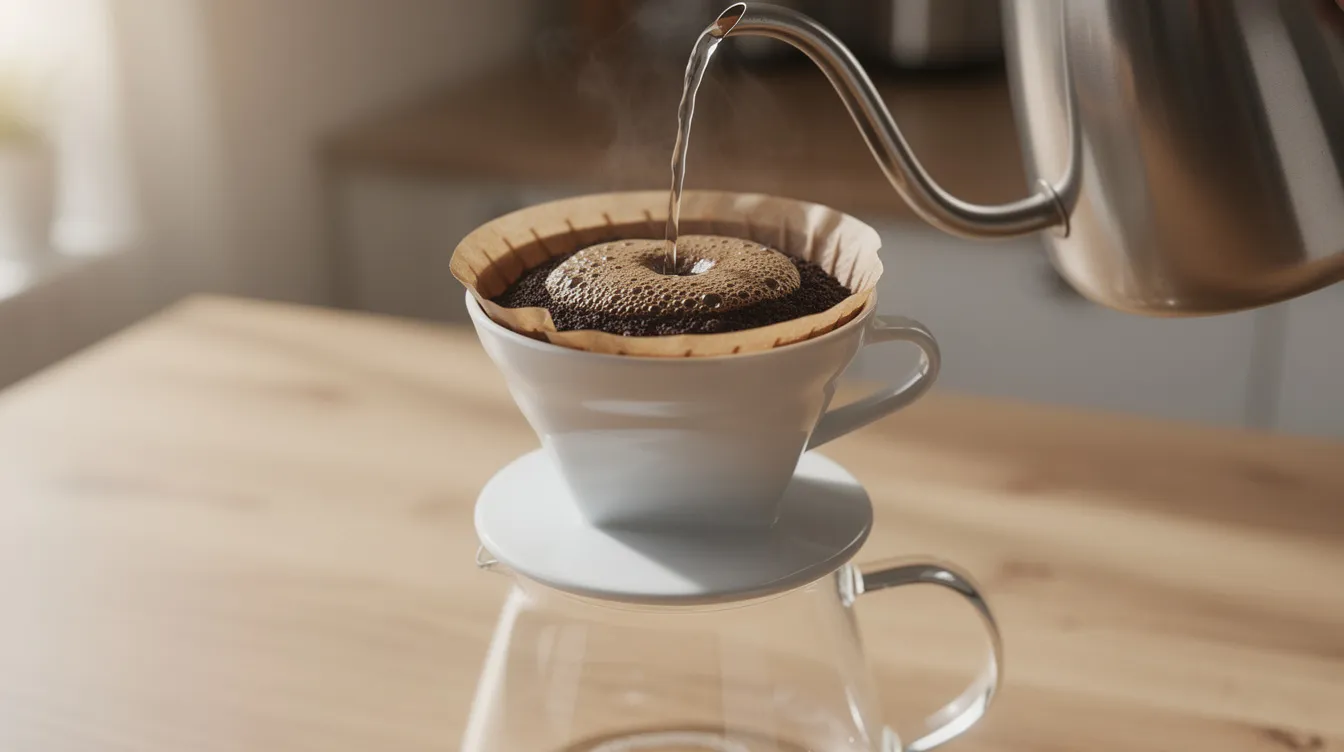
Brewing & Freshness Tips for Nicaraguan Coffee
Even the best Nicaraguan coffee beans will taste flat if they are stale or brewed carelessly. Here is how to get the most from your bag.
Freshness first. Buy whole bean whenever possible. Check the roast date and aim to use beans within two to four weeks of roasting for peak flavor. Avoid ground coffee in unlabeled grocery bags with no roast date-those bags may have been sitting for months.
Grind size and consistency:
- Medium grind for drip brewers
- Medium-fine for pour-over
- Coarse for French press and cold brew
- Fine for espresso
A burr grinder delivers more consistent particle size than a blade grinder, which directly improves extraction and flavor clarity. Nicaraguan coffee is typically smooth with bright acidity, and a consistent grind helps preserve that balance.
Brew-method pointers:
- Pour-over / drip highlights chocolate and stone-fruit sweetness-ideal for light and medium roasts from Jinotega or Matagalpa.
- French press emphasizes body, almond, and nutty notes. Great for medium roasts.
- Espresso and moka pot suit darker roasts and produce enough intensity to stand up in milk drinks.
- Cold brew smooths acidity and amplifies chocolate, caramel, and molasses-works especially well with dark-roast Nicaraguan beans for a fresh, delicious iced cup.
Water and ratios. Start with a brew ratio of 1:15 to 1:17 coffee to water by weight. Use clean, filtered water heated to 195–205°F (90–96°C). Hard or heavily chlorinated water will mute the subtle sweetness and aroma Nicaraguan coffees are known for.
Storage. Keep beans in an opaque, airtight container at room temperature, away from light, heat, and moisture. Avoid cycling beans in and out of the freezer, which introduces condensation and degrades flavor. Small batches purchased more frequently beat bulk buys sitting on the counter.
For more origin-specific brewing approaches, explore our broader coffee origins guides.
Our Nicaraguan Coffee Picks
We matched one coffee to each mood below. Tap the image or the coffee name. Research-rated, not yet brewed by our team.
Feeling leisurely: a veranda evening
Our pick: Tiny Footprint Coffee Organic Nicaragua Segovia, dark roast, whole bean, two 16 oz bags. A chocolate-and-dried-fruit cup for slow evenings. Research-rated, not yet brewed by our team.
Feeling bright: a Jinotega afternoon
Our pick: Volcanica Nicaragua Coffee, Jinotega, medium roast, whole bean, 16 oz. The balanced Nicaragua profile this guide describes. Research-rated, not yet brewed by our team.
FAQs About Nicaraguan Coffee
Is Nicaraguan coffee low acid compared with other origins?
Many Nicaraguan coffees taste mild and less bitter because they are shade grown at high altitudes in volcanic soil, which contributes to balanced acidity and sweetness. However, “low acid” is a marketing term more often than a lab-verified fact. Lifeboost, for example, markets itself as low acid, yet independent testing measured its pH at 5.10-below the threshold most standards use for a true low-acid designation. If you have acid sensitivity, darker roasts and cold brew preparation will lower perceived acidity more reliably than any label.
Are Nicaraguan coffees good for espresso and milk drinks?
Yes, particularly medium-dark and dark roasts. Nicaraguan coffee often features chocolate and stone fruit notes paired with caramel sweetness and a smooth body-qualities that hold up well under the pressure of espresso extraction and blend naturally with steamed milk. Café Las Flores and Tiny Footprint’s dark roast are both strong choices for espresso and lattes. Lighter roasts from the Jinotega region work better as filter coffee where their bright, clean character can shine.
How do climate and political conditions in Nicaragua affect coffee availability?
Nicaragua’s coffee market faces ongoing challenges from climate change, coffee leaf rust, and political instability. Over the past several years, more than 20,000 hectares of coffee trees have been replanted to combat aging plantations and disease. Export logistics can introduce delays, and premium lot prices fluctuate year to year. Buying from cooperatives and roasters with transparent supply chains-like Twin Engine or Thanksgiving Coffee-helps ensure you get fresh, fairly traded beans even during volatile seasons. Nicaragua’s history, including disruptions during the Cold War era, shaped its established coffee trade, but the country’s cooperatives and Nicaraguan farmers continue to produce and export quality beans.
What makes Maragogipe “elephant beans” from Nicaragua special?
Maragogipe is a natural mutation of the Typica lineage producing the largest coffee beans in the world-often called the elephant bean. These beans are rare and yield low volumes, which makes them expensive and hard to find. When roasted carefully, they can deliver delicate, tea-like, floral cups with light body. However, their large size makes even roasting tricky, and inconsistency is common. Twin Engine Coffee offers a specialty blend of Maragogype beans for those interested in exploring this micro niche of Nicaraguan coffee.
Does Nicaraguan coffee work well for cold brew?
Nicaraguan coffee is an excellent cold brew candidate, especially darker roasts or naturally processed lots. Cold brewing smooths acidity, emphasizes chocolate and caramel notes, and produces a sweet, rich concentrate. A coarse grind steeped for 12–18 hours in cold water is the standard approach. For the best results, try a dark roast from Nueva Segovia or a medium roast from the Matagalpa region. If you want to keep exploring Central American cold brew options, our Guatemalan coffee guide covers neighboring origins with complementary profiles.