


As an Amazon Associate I earn from qualifying purchases. This page contains affiliate links; we may earn a commission if you buy through them.
Key Takeaways
- Coffee originated as a wild plant in the Ethiopian highlands, with brewed coffee culture developing across the Red Sea in Yemen by the 15th century. From there, coffee spread through the Middle East, Europe, and eventually the entire tropical world.
- Altitude, coffee plant variety, processing method, and roast level are the main drivers of flavor differences between origins like Ethiopia, Brazil, and Colombia. Understanding these factors helps you choose coffees that match your taste and brew method.
- Modern coffee production spans the Coffee Belt between the Tropics of Cancer and Capricorn, with three primary macro-regions-Latin America, Africa, and Asia-Pacific-each producing distinct flavor profiles.
- The article provides practical buying guidance: how to read origin labels, match roast level to brew method, compare price and value across origins, and identify ethical sourcing signals.
- All recommendations below are researched editorial analysis based on verified product facts, expert consensus, and reputable third-party sources, not personal tasting claims.
Direct Overview: Where Did Coffee Originate and Why It Matters Now?
Coffee originated in the ancient coffee forests of southwestern Ethiopia, where wild coffee plants still grow today, and the brewed drink we recognize took shape on the Arabian Peninsula, especially in Yemen, by the 15th century. From these two regions-separated by the Red Sea-coffee’s global journey began, and that history still shapes coffee today, from where it is grown and traded to how origin is labeled, marketed, and understood in the cup.
Coffee origin is not just a history lesson. It directly shapes what ends up in your cup. Origin influences a coffee’s taste, acidity, body, and aroma notes through terroir-the combination of climate, altitude, soil composition, and processing methods at the farm level. A washed Ethiopian from Yirgacheffe tastes nothing like a natural Brazilian from Minas Gerais, even at the same roast level. Coffee flavor diversity is shaped by geographic origin, altitude, soil composition, and processing methods, which means knowing where your beans come from helps you buy smarter, brew better, and weigh quality alongside sourcing choices.
Capitol City Coffee is an independent coffee editorial and affiliate publication, not a coffee seller. The guidance here is for coffee enthusiasts, buyers trying to make sense of origin labels, home brewers matching beans to brew methods, and anyone curious about coffee history, flavor profiles, and ethical sourcing. By the end of this article, you will understand coffee’s botanical and historical origins, compare regional flavor profiles, see how processing, roasting, and brewing affect the cup, and use that context to choose coffees that fit your taste and budget.
From Legend to First Beans: Ethiopia and the Arabian Peninsula
The most famous coffee origin story involves an Ethiopian goat herder named Kaldi; Kaldi noticed his goats became unusually energetic after eating bright red berries from a nearby shrub. Kaldi discovered coffee around 800 AD in Ethiopia, according to the legend. He brought the red berries to a local monastery, where monks reportedly roasted the coffee seeds and brewed them with hot water to stay awake during evening prayer. The story is charming, unverified, and almost certainly embellished-but it points in the right direction.
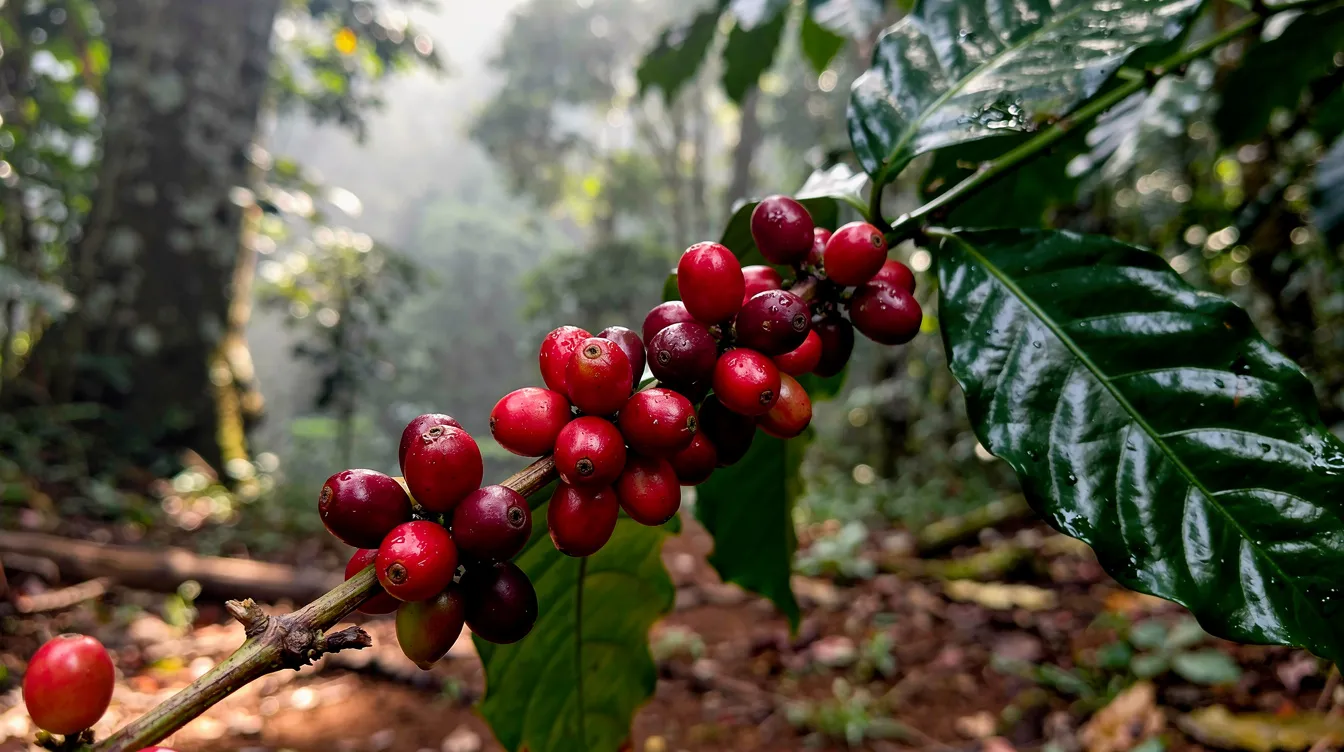
What history supports more firmly is this: Coffea arabica is a wild species native to the highlands of southwestern Ethiopia, a region with the greatest genetic diversity within the species. People in these ancient coffee forests likely chewed or cooked the cherries long before anyone brewed coffee in the modern sense. Africa is known as the birthplace of Arabica coffee due to its diverse heirloom varieties, and botanical research consistently identifies Ethiopia as the center of origin and diversification.
Coffee was first exported from Ethiopia to Yemen in the 15th century. Coffee cultivation began in Yemen by the 15th century, where Sufi communities used the beverage to aid concentration during long hours of nightly devotion. The Red Sea trade between Ethiopian growing regions and Yemeni ports built the commercial foundation for world coffee. The famous port city of Mocha (al-Mukhā) became synonymous with early trading coffee, lending its name to a flavor association that persists today. Early coffee consumption in both regions likely included ground roasted beans mixed with fat or spices as well as simple preparations of hot water poured over grounds.
Coffee Houses and Early Coffee Culture in the Middle East
Coffee culture flourished across the Islamic world during the 15th and 16th centuries. The first coffeehouse opened in Constantinople in 1475, and similar establishments quickly appeared in cities like Mecca, Cairo, Damascus, and across the Ottoman Empire. These coffee houses-called qahveh khaneh-were unlike anything that existed before them.
Coffee houses served as spaces for intellectual discussions and business. Patrons would drink coffee, listen to music, play chess, hear poetry, discuss politics, and exchange news. They earned the nickname “Schools of the Wise” because they functioned as informal centers of literacy, debate, and social exchange long before newspapers or broadcast media.
Authorities periodically banned or restricted coffee houses. Religious leaders worried about coffee drinking as a stimulant with social dynamics too close to wine-fueled gatherings. Political rulers feared the free exchange of ideas. But coffee’s popularity proved too strong-bans were lifted, and coffee consumption kept growing. The demand for brewed coffee overwhelmed every attempt at suppression.
Modern specialty coffee shops still echo those original functions. Today’s cafés serve as workspaces, study halls, community gathering spots, and places where many business ventures begin over a fresh cup-a pattern that coffee began five centuries ago in the Middle East.
17th Century Europe: Coffee Consumption, Controversy, and “Penny Universities”
Coffee reached Europe through trade routes connecting the Ottoman Empire and the Arabian Peninsula to Mediterranean ports. The first mention of coffee in Europe was in 1575, and by the early 17th century, Venetian merchants were importing beans regularly-bringing coffee around 1615 to wider commercial availability.
The first European coffee house opened in Venice in 1645, and coffeehouses spread quickly to Oxford, London, Paris, Vienna, and Amsterdam. By the mid-17th century, there were over 300 coffee houses in London alone. Coffee houses in England were known as penny universities because, for the price of a penny cup, patrons gained access to newspapers, intellectual debates, and business contacts. London coffee houses became linked to insurance markets-Lloyd’s of London famously grew from a coffeehouse-and many business ventures of the era were launched over coffee.
Coffee wasn’t universally welcomed. Some clergy called it the “bitter invention of Satan.” Pope Clement VIII approved coffee in 1600 after tasting it, reportedly declaring it too enjoyable to leave to non-Christians alone. That papal endorsement eased Catholic resistance across the continent. European travellers who had encountered coffee in the Ottoman world brought back enthusiasm for the drink, and it rapidly displaced beer and wine as the preferred morning beverage-a safer, stimulating alternative that helped workers through long hours and contributed to productivity gains.
Viennese coffee houses became cultural hubs in the 19th century, hosting writers, artists, and political thinkers. This latter half of European coffee history cemented the café as an institution that every European country eventually adopted. Coffee continued to reshape daily life across the continent, and coffee’s popularity only accelerated as supply chains expanded.

From Trade Secrets to Global Coffee Plantations
For decades, Arab traders tried to protect their monopoly over coffee production by exporting only roasted beans or partially processed coffee seeds-anything to prevent viable plants from reaching foreign soil. That strategy eventually failed.
The Dutch East India Company succeeded in acquiring live coffee plants from Yemen in the 17th century. The Dutch first cultivated coffee in Java in the 17th century, establishing coffee plantations in Java and Ceylon (modern Sri Lanka) that became central to European coffee supply. Dutch colonial greenhouses in Amsterdam served as nurseries before coffee seedlings were shipped to tropical territories.
France obtained coffee plants in the early 18th century. A French governor’s wife reportedly helped secure seedlings, and the famous coffee tree at the Jardin des Plantes in Paris produced offspring that would eventually seed Caribbean coffee plantations. These transfers changed the geography of coffee production permanently.
The global coffee spread was inseparable from colonialism, enslaved labor, and land dispossession. The vast majority of early plantation labor came from coerced or enslaved workers. Recognizing this history is essential context for understanding modern sourcing, fair trade practices, and ongoing ethical concerns in the coffee industry.
Coffee in the Americas: From Seedlings to Global Powerhouses
Coffee was introduced to Martinique in 1720 by Gabriel de Clieu, a French naval officer who famously shared his own water rations with a single coffee plant during a perilous Atlantic crossing. That cutting survived and eventually seeded plantations across the Caribbean and Latin America.
Coffee plantations thrived rapidly in colonies like Saint-Domingue (Haiti), Jamaica, and other Caribbean islands-most relying on enslaved African labor under harsh conditions. Coffee originally grown for European export markets soon became a cornerstone of colonial economies across the new world.
Brazil’s coffee origin story began in the 1720s and accelerated through the 19th century. Brazil became the largest coffee producer by 1852, a position it has held ever since. The scale of Brazilian production fundamentally shaped global coffee prices, trade patterns, and availability. Meanwhile, Ethiopia produced 50,000 to 60,000 kilograms of coffee in the 1880s-significant for its economy but modest compared to Brazil’s output.
Other key Latin American countries developed alongside Brazil. Colombia, Guatemala, Costa Rica, and Honduras built reputations for highland Arabica coffee beans, benefiting from volcanic soils, consistent rainfall, and elevations suited to slow cherry maturation. By the late 19th and early 20th centuries, coffee had become one of the world’s most traded agricultural commodities-deeply woven into economies and daily life across Central America and South America.
International trade in coffee helped define modern global trade patterns. Coffee reached every inhabited continent, and coffee grown worldwide now supports an estimated 125 million people along the supply chain.
The Coffee Belt: Where the Coffee Plant Thrives Today
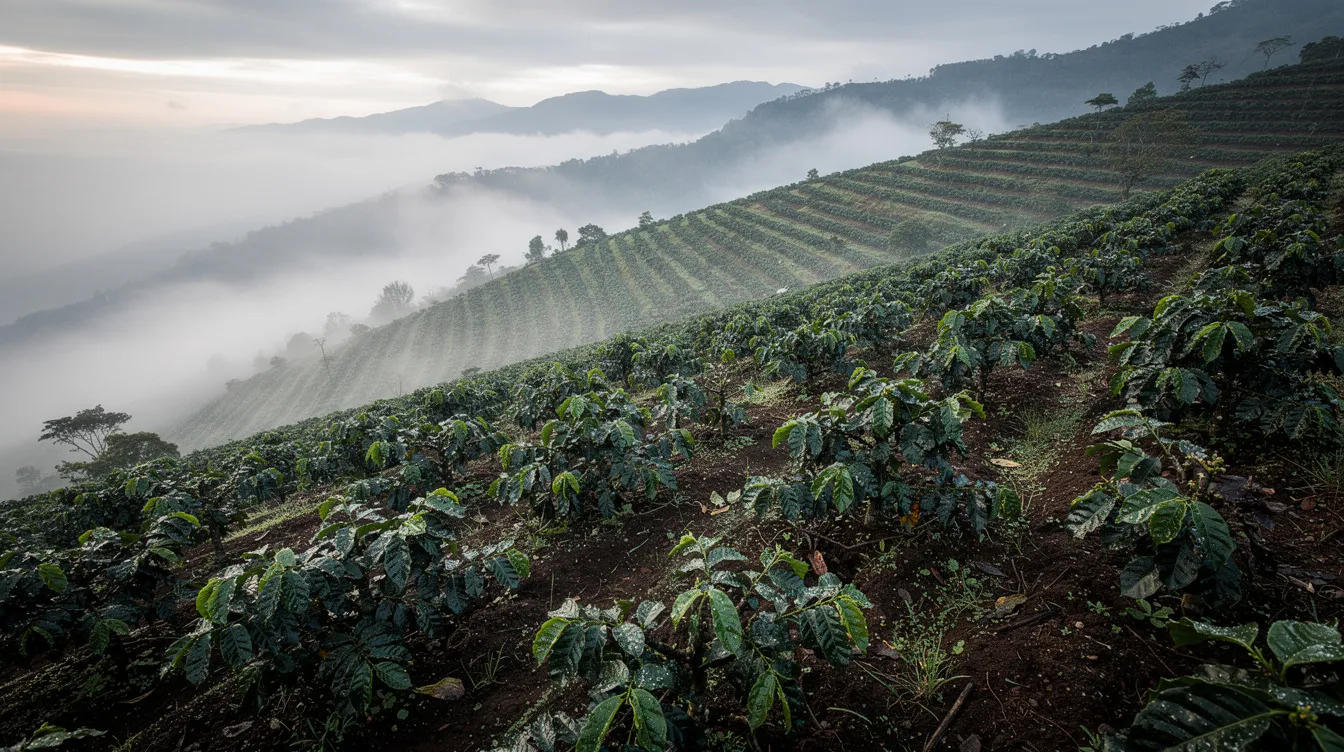
The world’s major coffee growing belt lies along the Equator between the Tropics of Cancer and Capricorn. This band of tropical and subtropical regions provides the conditions coffee plants need: moderate temperatures, consistent rainfall with a defined dry period, fertile well-drained soils, and-for Arabica-higher altitudes.
Key factors shaping coffee origin flavors include altitude, climate, soil, and processing methods. Arabica thrives at roughly 2,000–6,500 feet (600–2,000 meters) in cooler, often shaded environments. Robusta handles lower elevations, hotter temperatures, and more sun exposure-trading complexity for resilience and yield.
Three primary macro-regions of coffee are Latin America, Africa, and Asia-Pacific. Major coffee regions include Brazil, Colombia, Ethiopia, Vietnam, and Indonesia. Each region produces distinct cup profiles shaped by environmental factors such as climate and altitude that interact to create unique flavor profiles for coffee.
Higher elevations create cooler nights that slow cherry maturation, yielding brighter acidity and floral sweetness. This is why Ethiopian coffees from 1,800+ meters taste markedly different from Brazilian beans grown at lower altitudes. According to ICO data, global Arabica output in 2022/23 reached about 93.1 million 60-kg bags, with South America leading in volume, followed by Africa and Asia-Pacific.
How Processing Shapes Coffee Origins: Washed, Natural, Honey, and Beyond
After harvesting, coffee cherries must be processed to remove skin, pulp, and mucilage before drying and export. Processing methods significantly impact coffee flavor, altering natural traits in ways that can be as influential as origin geography itself.
Washed (wet) process: Cherries are pulped, mucilage is fermented and washed away, and beans are dried. Washed processing emphasizes clarity and clean acidity. This method is common in Colombia, Ethiopia’s washed lots, Kenya, and much of Central America. Expect brighter, more transparent flavor with pronounced acidity.
Natural (dry) process: Whole cherries are dried in the sun with fruit intact, then hulled. Natural processing leaves the fruit on the bean during drying to create intense fruit sweetness and wine-like bodies. This method is traditional in Ethiopia and Brazil. The risk is higher-uneven drying can produce off-flavors-but well-executed naturals deliver rich, heavy-bodied cups with pronounced sweetness.
Honey and pulped-natural processes: Especially popular in Latin America, these hybrid methods remove some skin and pulp but leave mucilage on the bean during drying. The result typically balances sweetness and body above washed coffees with more clarity than full naturals. Research on bioactive compounds confirms that different processing methods preserve different volatile and flavor-active compounds.
When shopping by origin, processing information on the bag often matters as much as country name. Bright washed coffees pair well with filter brewers like pour-over and drip. Sweeter naturals and honey processes often stand up better in espresso and immersion methods like French press.
Flavor Profiles by Major Coffee Origin Regions
Flavor varies widely even within a single country, but broadly recognized patterns in acidity, body, sweetness, aroma, and flavor notes emerge from each major origin. Think of origin as similar to wine terroir-country, region, altitude, and processing combine to create distinct, recognizable patterns in the cup.
East Africa (Ethiopia, Kenya):
- Ethiopian coffees often have bright acidity and complex floral notes, with citrus, stone fruit, jasmine, or bergamot aromatics. Washed lots tend toward tea-like elegance; naturals deliver heavier, fruitier cups.
- Kenyan coffees are known for bright acidity and berry-like sweetness, often with black currant or grapefruit notes and a juicy, clean body.
Arabian Peninsula (Yemen):
- Yemeni coffees, traditionally naturally processed on terraced micro-plots, feature deep complexity, dried fruit, wine-like character, and full body with lower acidity. Production is small, prices are high, and availability is limited.
Latin America (Brazil, Colombia, Guatemala, Costa Rica):
- Brazil is the world’s largest coffee producer, yielding low-acidity, nutty, and chocolatey beans with medium to heavy body-excellent for blends and espresso bases.
- Colombian coffee is known for balance and sweetness, with flavors of caramel and milk chocolate, medium body, and pleasant acidity. Volcanic soils and high altitudes in Central America yield coffees with bright citrus acidity and deep sweetness.
Asia-Pacific (Indonesia, Vietnam, India):
- Indonesian coffees use a traditional wet-hulling process that lowers acidity and creates a heavy body, producing earthy, herbal, woody profiles-especially from Sumatra and Java.
- Robusta coffees, such as those from Vietnam, feature high caffeine content and a strong flavor profile, often used in instant coffee and commercial blends.
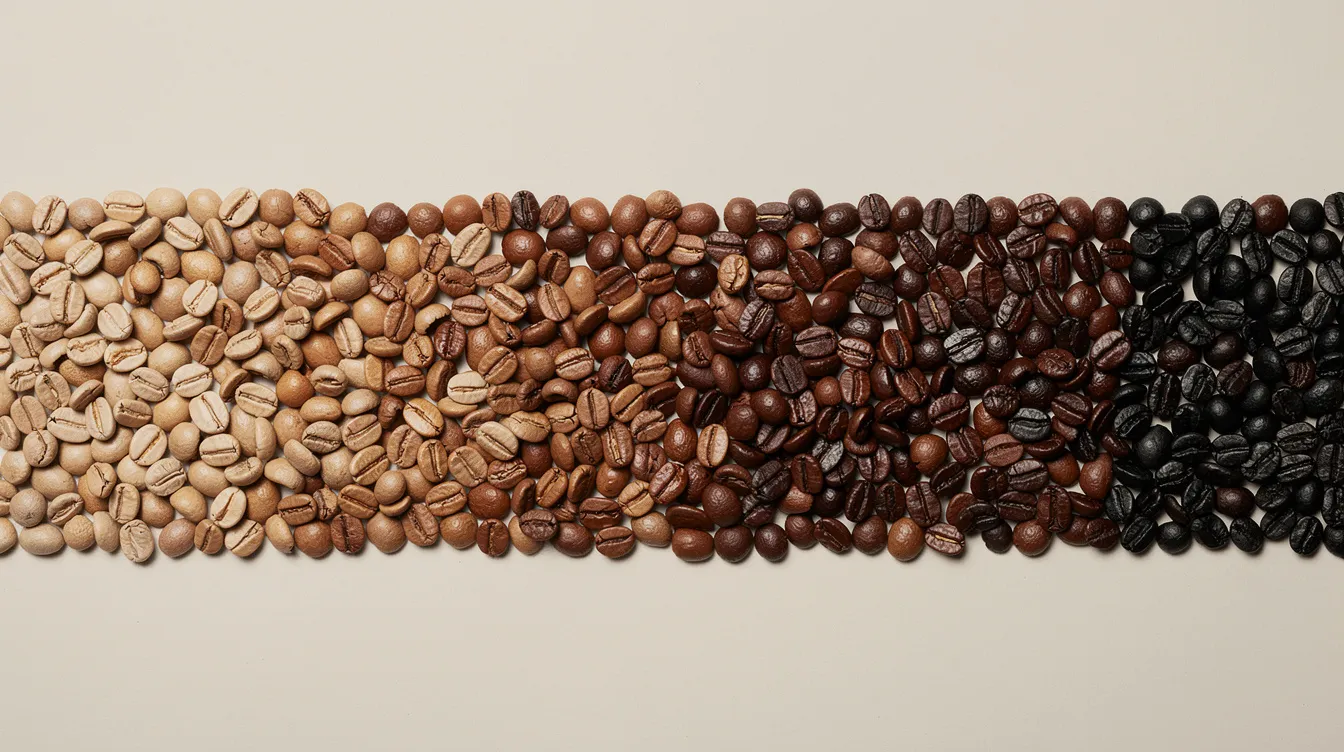
Lighter roasts tend to showcase origin-driven acidity and aromatics, while medium to darker roasts emphasize body, sweetness, and roast-derived chocolate or caramel notes. The roast level you choose determines how much origin character you actually taste.
Roast Level, Brew Method, and Origin: How to Match Them
The same coffee origin can taste remarkably different at a light versus dark roast, and certain origins tend to shine with specific brew methods.
Light to medium roasts for filter brewing: High-altitude, high-acidity origins like Ethiopia, Kenya, and highland Central American coffees work well as light to medium roasts for pour-over and drip brewed coffee. These methods highlight clarity, aroma, and nuanced acidity. An Ethiopian washed light roast through a V60 or Chemex is a classic pairing.
Medium to medium-dark roasts for espresso and immersion: Low-acidity, chocolate-forward coffees from Brazil or balanced Colombian regions make excellent medium to medium-dark roasts for an espresso machine, moka pot, or cold brew. A Brazilian natural medium roast provides sweetness and body without sharp acidity-ideal with milk.
Dark roasts for full-bodied brewing: Sumatran wet-hulled or Yemeni natural coffees can handle darker roasts and fuller immersion methods like French press, where their heavy body and earthy or spicy notes come through without tasting thin or sour.
Processing also affects brew fit. Naturals and honey-processed coffees offer big body and sweetness that hold up in espresso and immersion, while washed coffees highlight nuanced flavors ideal for filter methods. When switching origins in your usual recipe, expect to adjust grind size, ratio, and possibly water temperature.
How to Read Origin Labels and Buy Well
“Origin” on a coffee bag can range from generic (“Colombian coffee”) to precise (a named farm, altitude, variety, and processing method). More detail usually signals higher transparency, traceability, and care at every stage from coffee plant to cup.
Key label elements to look for:
- Country and sub-region (e.g., Ethiopia, Sidama)
- Altitude range (e.g., 1,800–2,100 meters)
- Variety (e.g., Bourbon, Typica, Caturra, Geisha)
- Processing method (washed, natural, honey)
- Roast level and roast date (freshness matters-look for dates within the last few weeks)
- Harvest date, if available
Price tiers: Commodity blends stating only “100% Arabica” and a broad origin sit at the lower end. Specialty single-origin coffees with traceable lots command higher prices, reflecting labor-intensive processing, microlot volumes, and higher farming costs. Reasonable value exists in mid-tier single-origin coffees from Latin America with clear labeling from reputable roasters.
Ethical and sustainability signals: Certifications like fair trade, organic, and Rainforest Alliance indicate certain minimum standards. Direct trade claims and named cooperatives may signal closer buyer-farmer relationships. These are part of an informed sourcing choice-but certifications alone don’t guarantee outcomes, so transparency from the roaster about pricing and farm practices is equally important.
Our Affiliate Approach and Recommended Origins (Disclosure)
Affiliate disclosure: Capitol City Coffee may earn a commission if you purchase through certain links in this article. Origin recommendations are based on researched editorial analysis, not commission rates. No claims of hands-on tasting, long-term use, or lab testing are made. Selections are grounded in expert sources, roaster profiles, and consensus from respected coffee publications.
The coffees highlighted below illustrate how to apply the buying guidance above. Use them as templates when exploring additional options through broader coffee guides and buying resources.
Researched Origin Recommendations: Ethiopian, Brazilian, and Colombian Coffees
For each origin below, we linked one coffee on Amazon that matches the profile. Tap the image or the coffee name to see it. As an Amazon Associate we earn from qualifying purchases.
Ethiopian Washed Single Origin
- Origin region: Yirgacheffe, Sidama zone, Ethiopia
- Altitude: Typically 1,700–2,200 meters
- Processing: Washed
- Roast level: Light to medium
Flavor profile: Expect pronounced floral aroma, bright citrus acidity, and notes of jasmine, bergamot, or stone fruit. Light body with tea-like clarity. This is coffee that rewards attention-ideal for manual pour-over (V60, Kalita Wave) or Chemex, where the filter captures oils and lets aromatics shine.
Considerations: Sensitive to grind consistency and water quality. Under-extraction produces sourness; use a quality burr grinder. Seasonal availability means specific lots rotate. Typical price ranges from $16–$24 per 12 oz bag from U.S. specialty roasters. Available as one-off purchases or subscriptions.
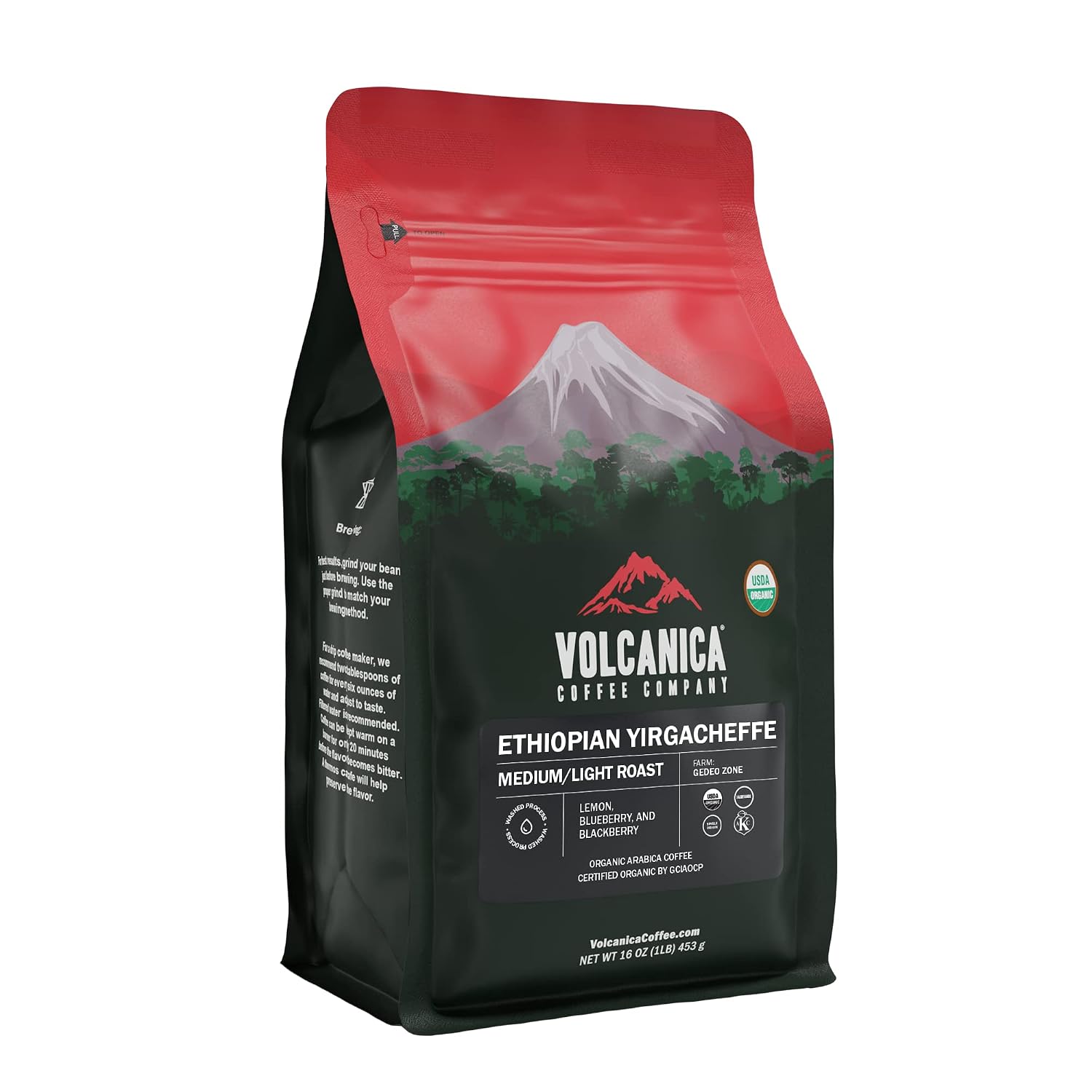
Our pick: Volcanica Coffee Ethiopian Yirgacheffe, USDA Organic, medium-light roast, whole bean, 16 oz. Volcanica lists it as 100% Yirgacheffe with a brilliant acidity and lemon, blueberry, and blackberry notes, which fits the bright, fruity profile above; its Amazon listing does not state the processing method. We matched it using the criteria in our coffee rating system. Research-rated, not yet brewed by our team.
Brazilian Natural for Espresso
- Origin region: Minas Gerais or Cerrado, Brazil
- Altitude: 900–1,200 meters
- Processing: Natural or pulped-natural
- Roast level: Medium to medium-dark
Flavor profile: Chocolate, roasted nuts, caramel sweetness, with low acidity and medium-to-heavy body. A forgiving, crowd-pleasing profile that works well as an espresso base-especially with milk in lattes and cappuccinos. Also strong in cold brew and moka pot.
Considerations: Widely available year-round due to Brazil’s massive production scale. Typically $12–$18 per 12 oz bag, making it a strong everyday value. Limited roast options from some roasters-darker roasts are more common.
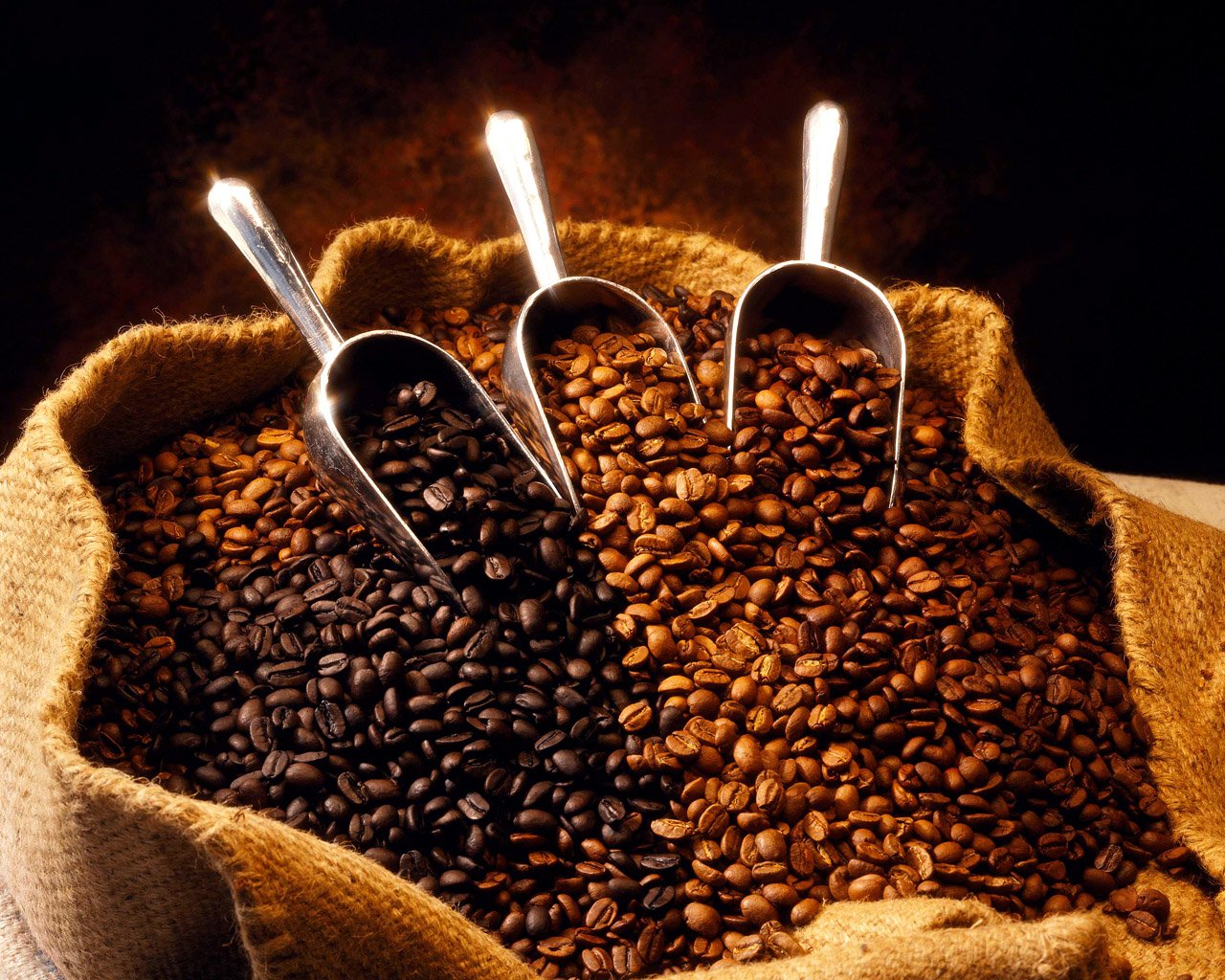
Our pick: RhoadsRoast Brazil Cerrado Natural, espresso roast, whole bean, 2.5 lb. RhoadsRoast lists it as a traditionally natural, dry-processed Cerrado with nutty, caramel, and chocolate flavors, a smooth, syrupy body, and low acidity, and calls it a superb base for Italian-style espresso and lattes. It comes in a large bag and is roasted a little darker than the medium to medium-dark range above. We matched it using the criteria in our coffee rating system. Research-rated, not yet brewed by our team.
Colombian Highland Drip Coffee
- Origin region: Huila or Nariño, Colombia
- Altitude: 1,400–1,900 meters
- Processing: Washed
- Roast level: Medium
Flavor profile: Balanced sweetness with caramel, red fruit, and mild citrus acidity. Medium body with a clean, approachable finish. Versatile across brew methods-works in automatic drip machines, pour-over, and AeroPress alike.
Considerations: Colombia’s two annual harvests in some regions help maintain availability. Price typically $14–$20 per 12 oz bag. A reliable starting point for drinkers exploring single-origin coffee for the first time. Some lots may lack the dramatic character of Ethiopian or Kenyan coffees, which is a trade-off for approachability.
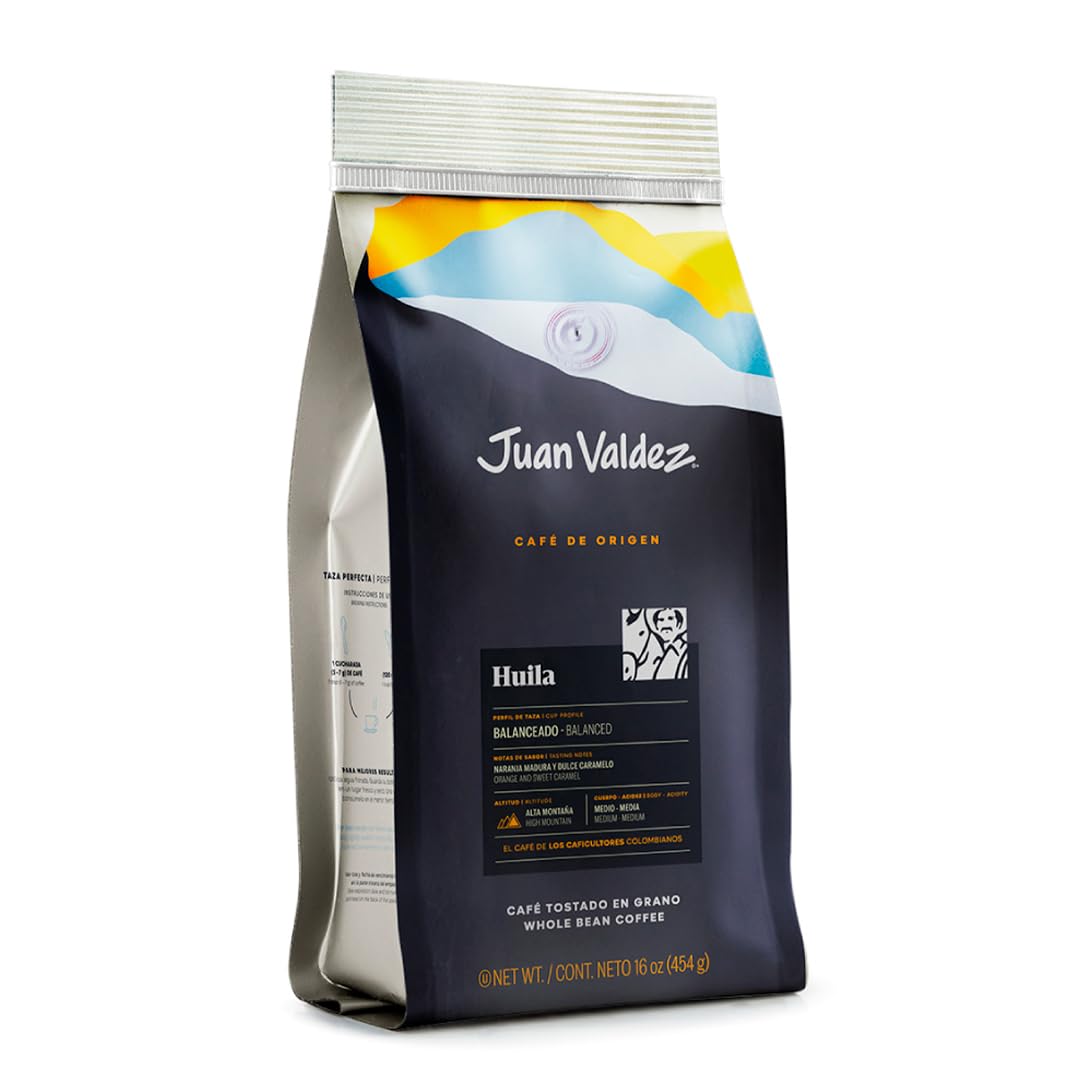
Our pick: Juan Valdez Huila Whole Bean Coffee, single origin, whole bean, 16 oz. Juan Valdez lists these Huila beans with ripe orange and caramel notes and a balance of brightness and sweetness, and says they are best suited to pour-over and automatic drip, which matches the balanced, versatile profile above. We matched it using the criteria in our coffee rating system. Research-rated, not yet brewed by our team.
Comparing Coffee Origins: How Ethiopia, Brazil, Colombia, and Others Differ
No single coffee origin is “best.” Different regions shine for different flavor preferences, brew methods, and budgets.
Ethiopia vs. Yemen: Historically linked but distinct today. Ethiopian coffees emphasize juicy acidity and florals. Yemeni coffees tend toward heavier body, wine-like complexity, and dried fruit-shaped by traditional natural processing, terraced micro-plots, and harsh growing terrain. Yemen is rarer and more expensive.
Ethiopia vs. Brazil: Ethiopia represents high-altitude, high-acidity, aromatic coffee at its most dramatic. Brazil represents the opposite end-lower elevation, large-scale coffee production with chocolatey, nutty, low-acidity profiles ideal for blends and daily espresso. Brazilian coffees are more forgiving; Ethiopian coffees reward precise brewing.
Colombia and Central America as middle ground: These origins combine pleasant acidity, medium body, and approachable sweetness, making them versatile for many brewing styles. They are the coffee producers most likely to satisfy a wide range of palates.
Asia-Pacific origins: Indonesia, Vietnam, and India offer fuller body and earthier or spicier flavors. These work well for drinkers who enjoy darker roasts, milk drinks, or heavier-bodied brewed coffee. Readers interested in deeper origin-by-origin analysis can explore dedicated origin guides for more detail.
Coffee Culture Today: From Traditional Ceremonies to Third-Wave Cafés
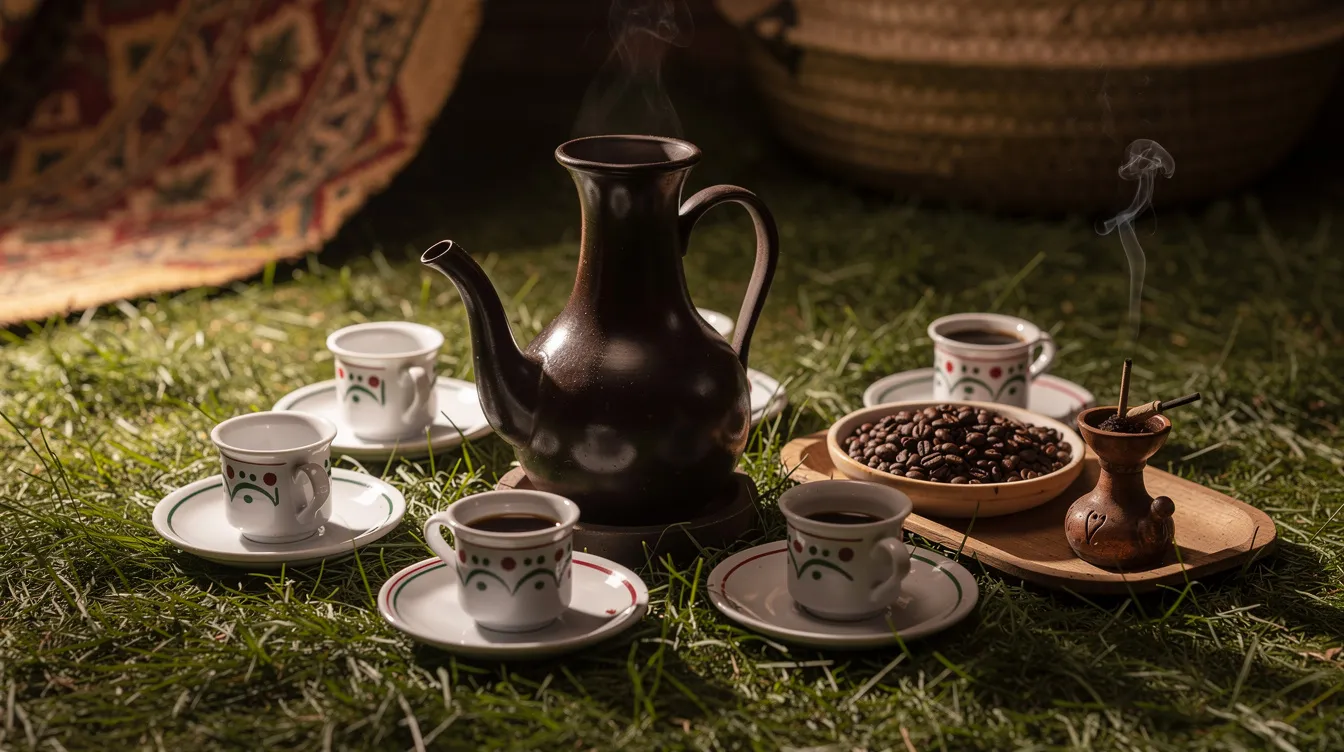
Historical coffee culture-from Ethiopian buna ceremonies with pan-roasting and jebena brewing to Ottoman coffee houses-set patterns that modern cafés still follow. Brazil’s simple, sweet cafezinho remains a symbol of hospitality. Turkish coffee traditions endure across the former Ottoman world.
Global coffee culture has evolved through distinct phases: early commercial coffee (commodity blends, instant coffee, percolators), the rise of international chains, and the current specialty or third-wave focus on single origins, traceable sourcing, and precise brewing gear, all of which continue to shape coffee in the modern world. Today’s specialty coffee shops list country, region, altitude, and processing on menus, turning coffee history and geography into part of the experience.
Origin transparency has become central to how people drink coffee. Whether you prefer a simple drip or a meticulously timed pour-over, knowing where your beans came from adds dimension to every cup.
Ethics, Sustainability, and the Future of Coffee Origins
Climate change, price volatility, and historical inequalities in coffee production are reshaping how origins are farmed, traded, and marketed. Rising temperatures and changing rainfall patterns threaten traditional coffee regions, pushing farmers to higher altitudes or to more resilient varieties-which can alter familiar origin flavor profiles over time.
Common ethical frameworks-fair trade, organic, Rainforest Alliance, and direct trade models-attempt to address farm income, worker rights, and environmental impact, though none guarantee universal success. Paying more for a well-documented single origin often reflects additional labor and investment at the farm and mill level, not just marketing.
The coffee trade today involves real choices. Favor origins and roasters that provide clear, verifiable information about sourcing, price, and farming practices. Your coffee purchases are part of a long chain from coffee plant to cup, and informed buying supports the health benefits of transparency throughout the coffee industry.
FAQs About Coffee Origins
These questions address common curiosities that go beyond the main narrative, focusing on practical and historical points about coffee origins.
Is Ethiopia definitely the original coffee origin?
Most botanists and historians agree that Coffea arabica is native to Ethiopia’s highlands and nearby regions, making Ethiopia the most likely botanical origin. However, early cultivation and widespread brewed coffee culture developed in tandem with Yemen on the Arabian Peninsula. Because historical records are incomplete-coffee history predates reliable documentation-it is more accurate to say coffee originated in the Ethiopia-Yemen region rather than attributing it to a single village, date, or discovery moment. What is clear is that wild coffee plants grew in Ethiopia’s forests, and the rich history of the drink as we know it took shape across both sides of the Red Sea.
What is the difference between “single origin” and a blend?
Single origin refers to coffee sourced from one country and often from a specific region, cooperative, or single estate. It emphasizes traceable terroir and unique flavor notes tied to that place. A blend is a deliberate mix of coffees from multiple origins-such as Brazil plus Colombia or Ethiopia-designed to create a balanced, repeatable flavor profile and consistent body. Blends are popular for espresso and house coffees. Neither is inherently better; single origins reward exploration, while blends deliver reliable consistency.
Does higher altitude always mean better coffee?
Higher altitudes within the suitable range for coffee generally mean slower cherry maturation, denser beans, and potentially greater acidity and complexity, which many specialty drinkers enjoy. But “better” is subjective. Some people prefer lower-altitude coffees with softer acidity and more chocolate or nut flavors. Factors like variety, processing, roast quality, and freshness can outweigh altitude alone-a well-processed Brazilian from 1,000 meters may outperform a poorly handled Ethiopian from 2,000 meters.
Why do some origins taste more acidic than others?
Perceived acidity is influenced by origin climate (especially altitude and temperature), soil composition, coffee plant variety, processing method, and roast level. East African and high-elevation Central American coffees often have brighter acidity due to cooler growing conditions and washed processing. Brazilian and many Indonesian coffees taste lower in acidity because of warmer climates, different varieties, and natural or semi-washed processing. Lighter roasts also preserve more acidity than darker roasts.
Can I substitute one origin for another in my favorite brew recipe?
Yes, but expect to make adjustments. Swapping a bright Ethiopian light roast into a recipe built for a chocolatey Brazilian might produce sour, under-extracted results unless you adjust grind size, brew time, and water temperature. When changing origins, start with your usual recipe, taste carefully, and make small corrections-coarser or finer grind, slightly different ratio-to adapt to differences in acidity, body, and sweetness. The goal is to let each origin express its own character rather than forcing it into a mold built for a different coffee.