
Key Takeaways
- Most coffees labeled “low acid” are unregulated; a 2024 NC A&T University study found that six of seven self-labeled low acid brands measured pH levels indistinguishable from conventional coffee (~4.8–5.2). Only Puroast cleared the pH 5.5 threshold proposed by LACCSA.
- The best low acid coffee bags worth buying in 2026 include Puroast Low Acid House Blend (pH 5.7–5.9, independently verified), trücup Stuck in the Middle (pH 5.74, lab-tested), Volcanica Low Acid Dark Roast (pH ~5.4), Lucy Jo’s Mellow Belly (pH ~5.6–6.02), and Lifeboost Medium Roast (single-origin organic, brand-reported pH 6+).
- Low acid coffee options can reduce stomach discomfort and may help people with acid reflux, but these products are not medical treatments; individual tolerance varies, and anyone with persistent GERD symptoms should consult a healthcare provider.
- Prioritize whole bean formats, recent roast dates, and a brewing method that fits your routine. Cold brew, medium to dark roasts, and origins like Brazil, Sumatra, and Colombia consistently deliver gentler cups.
- Rankings in this guide are based on researched editorial analysis, independent pH data where available, roast level, origin, flavor profile, and value; not on paid placement or commission size.
Affiliate & Editorial Disclosure
Capitol City Coffee is an independent editorial and affiliate site. We do not sell coffee. This page does not currently include paid purchase links. If we add them later, they will use rel=”sponsored” and will not change rankings. Last verified: September 1, 2026. Commissions do not influence rankings; picks are based on researched editorial analysis, public expert reviews, and verified product facts. Unless explicitly stated, this publication has not directly tasted each coffee listed. Recommendations synthesize trusted third-party data and expert consensus.
Quick Answer: Best Low-Acid Coffee Bags Worth Buying in 2026
If you need a fast answer, here are the standout low acid coffee bags for 2026. Puroast Low Acid House Blend is the best verified low acid option, with measured pH of 5.7–5.9 confirmed by both NC A&T University and UC Davis research. trücup Stuck in the Middle delivers a lab-tested pH of 5.74 in a crowd-pleasing medium roast. Volcanica Low Acid Dark Roast suits bold-coffee lovers at pH ~5.4. Lucy Jo’s Mellow Belly appeals to small-batch fans with its French Roast hitting pH ~6.02. Lifeboost Medium Roast is a single-origin Nicaraguan organic with brand-reported pH of six or higher. Java Planet Low Acid Colombian Organic fills the everyday organic slot. Trader Joe’s Low Acid French Roast offers the best budget entry point, typically under $10 per bag.
Some drinkers with sensitive stomachs prefer low-acid coffee; comfort is individual, and anyone with GERD should follow medical guidance. For brew-method fit: trücup and Java Planet work well in drip coffee makers, Puroast and Volcanica handle French press and espresso-style preparations, and nearly all of these bags produce smoother results as cold brew.
At-a-Glance Comparison Table
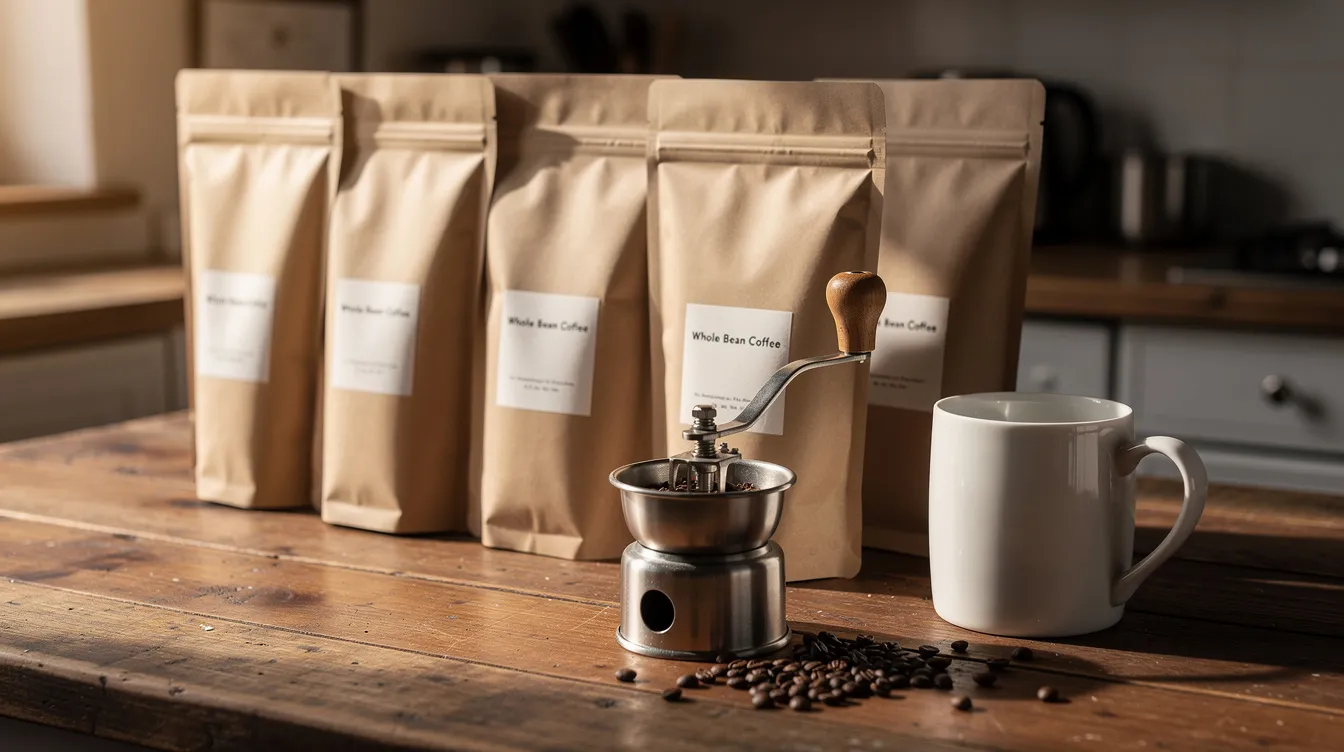
Use this table to compare the best low acid coffee options side by side. Prices are approximate and may vary by retailer.
Coffee | Best For | Roast | Origin | Form | pH / Claim | Flavor Notes | Brew Method | Price/oz | Availability |
|---|---|---|---|---|---|---|---|---|---|
Puroast House Blend | Best Verified Low Acid | Medium-dark | Blend | Ground, whole bean, pods | pH 5.7–5.9 (LACCSA, NC A&T) | Chocolate, caramel, roast sweetness | Drip, French press, espresso | ~$1.50 | Online + some retail |
Lifeboost Medium Roast | Best Organic Single Origin | Medium | Single origin (Nicaragua) | Whole bean, ground | Brand-reported pH 6+ | Cocoa, mild fruit, gentle sweetness | Drip, pour-over, cold brew | ~$2.00+ | Mostly online |
Volcanica Low Acid Dark Roast | Best Low-Acid Dark Roast | Dark | Blend (South America) | Whole bean, ground | pH ~5.4 (certified low acid) | Dark chocolate, caramel, smoky | Drip, French press, moka pot | ~$1.25 | Online |
Java Planet Colombian Organic | Best Organic Everyday | Medium | Single origin (Colombia) | Whole bean, ground | Brand low acid claim | Milk chocolate, toasted nuts, caramel | Drip, pour-over, AeroPress | ~$1.40 | Mostly online |
trücup Stuck in the Middle | Best Lab-Tested Medium Roast | Medium | Blend (Arabica) | Whole bean, ground, pods | pH 5.74 (independent lab) | Mild cocoa, nutty, clean finish | Drip, single-serve | ~$1.50 | Online + some retail |
Lucy Jo’s Mellow Belly | Best Small-Batch | Medium-dark | Blend (Indonesia, Brazil) | Whole bean, ground | pH 5.6 (Original); 6.02 (French Roast) | Sweet, earthy, chocolate, spice | French press, drip | ~$2.14 | Online, limited retail |
Trader Joe’s Low Acid French Roast | Best Budget Option | Dark (French) | Blend | Ground only | Process-based; ~pH 5.2–5.5 (limited data) | Smoky, chocolatey, low brightness | Drip, basic cold brew | ~$0.60 | Trader Joe’s stores |
How We Selected and Evaluated Low-Acid Coffees
This is a researched editorial roundup, not a lab testing program. The methodology balances objective data (pH measurements, certifications) with expert consensus on taste, roast quality, and value.
Coffees were evaluated on independent pH testing or credible third-party lab data where available (Puroast and trücup have the strongest documentation here), transparent low acid claims and processes, roast level and origin choices associated with lower perceived acidity, and absence of exaggerated health claims. Third-party lab testing verifies pH levels of low acid coffees, and brands that publish those results earned higher placement than those relying on marketing language alone because that kind of documentation is what gives low acid coffee certification real credibility.
We prioritized coffees offering whole bean options, clear roast dates and freshness, consistent U.S. availability, accessible price per ounce, and formats for drip, French press, espresso, and cold brew. Medical aspects (acid reflux, GERD) were referenced from reputable health sources, but this article does not give medical advice. Consult a healthcare provider for persistent symptoms.
Best Low-Acid Coffee Picks for 2026 (Editor’s Rankings)
Each pick below is based on researched editorial analysis. Tasting and performance descriptions draw on brand disclosures, expert reviews, and consensus rather than Capitol City Coffee’s own lab tests or cupping sessions, unless otherwise noted.
Puroast Low Acid Coffee House Blend: Best Verified Low Acid Option
Puroast builds its entire brand around a patented extended roasting process (they call it the “Goldilocks Zone”), which received a U.S. patent in April 2026. During this process, chlorogenic acids degrade past the point of standard roasting, converting quinic acid and other harsh compounds into phenolic antioxidants. The result: Puroast coffee measures pH 5.7–5.9, verified by independent testing at NC A&T University and UC Davis (Shibamoto lab, peer-reviewed in 2009 and 2011). That makes it the only brand in the low acid coffee market to clear LACCSA’s pH 5.5 certification threshold in the 2024 NC A&T study. For buyers who prioritize verified low acidity and antioxidant data, it’s the closest thing in this roundup to the healthiest coffee.
The House Blend is a medium to medium-dark roast with flavors of chocolate, nuts, and gentle roast sweetness. Perceived acidity is very low, giving it a very low acidity profile overall; the finish is smooth and full bodied. It works well for everyday drip, French press, and espresso-style preparations where drinkers want a genuinely low acid coffee that still tastes complete.
Limitations: ground formats are more widely stocked than whole bean in some markets. The flavor profile leans classic and may not satisfy fans of bright, fruity light roasts. Premium pricing reflects the specialized process. Low acid coffee can contain antioxidants beneficial for health, and Puroast’s UC Davis research specifically measured higher antioxidant activity alongside lower acidity.
Lifeboost Coffee Medium Roast: Best Organic Low Acid Single Origin
Lifeboost Medium Roast is an organic low acid coffee option: a single-origin Nicaraguan Arabica, shade-grown at higher altitudes, with USDA organic certification and third-party contaminant testing. High-altitude, shade-grown beans typically contain less acid, and Lifeboost emphasizes this origin advantage. Lifeboost Coffee has a pH level of six or higher, according to the brand’s own reporting.
The flavor profile is balanced: cocoa, mild fruit, gentle sweetness, and smooth body. It reads as specialty grade coffee rather than a one-note “health product.” Brew-method fit is broad; it handles drip coffee makers, pour-over, and cold brew. Whole bean format delivers the best freshness and flavor complexity.
Trade-offs: premium price per ounce (among the highest in this roundup). In the NC A&T study, Lifeboost’s pH did not independently clear the 5.5 threshold, so the brand’s own pH claims carry less weight than Puroast’s or trücup’s independent data. Flavor leans toward smooth rather than intensely bold, which may not suit those wanting a darker, smokier cup.
Volcanica Low Acid Coffee (Dark Roast): Best Low-Acid Dark Roast
Volcanica’s Low Acid Dark Roast is a blend sourced from lower-altitude South American origins, designed for a naturally smoother cup. Beans from lower-altitude regions tend to have naturally lower acidity, and pairing that with a dark roast level pushes perceived acidity down further.
Flavor notes include dark chocolate, caramel, and roasted nuts, with a syrupy body and minimal brightness. The certified low acid label lists approximate pH around 5.4. Darker roasts break down compounds that create acidity during roasting, and the roasting method is a key reason this coffee tastes smoother, while Volcanica’s washed process preserves some cup clarity without adding sharpness. Ideal for drip machines, French press, and moka pots. Kosher certified.
Drawbacks: as a dark roast, it can taste too intense for lighter-coffee lovers. Some palates detect a slight smokiness. The pH of 5.4 is lower than traditional coffees but does not match the verified numbers from Puroast or trücup.
Java Planet Low Acid Colombian Organic: Best Organic Everyday Low Acid Option
Java Planet’s Low Acid Colombian is a certified USDA Organic, 100% Arabica single-origin coffee. Coffees from Brazil and Colombia often have lower acidity profiles, and this Colombian lot leans into that advantage. Roast level is medium, with flavor notes of milk chocolate, toasted nuts, and gentle caramel sweetness. Body is smooth and rounded, with low perceived acidity.
Available in both whole bean and ground formats, it fits drip coffee makers, pour-over cones, and AeroPress brewing as an everyday low acid coffee. Low acid coffee can be produced from both organic and conventional beans, and Java Planet represents the organic path well.
Limitations: independent pH testing data is less prominently cited than for Puroast or trücup. Availability is primarily online. The flavor profile is more classic than adventurous; no light roast or experimental process options exist in this line.
trücup Low Acid Coffee (Stuck in the Middle): Best Lab-Tested Low Acid Medium Roast
trücup publishes independent lab pH data showing brewed coffee at pH 5.74 across roast levels. The process uses water and steam pretreatment before roasting to remove acid compounds from the green beans; no chemical treatments or mineral coatings are involved.
Stuck in the Middle is a medium roast with balanced flavor: mild cocoa, nutty sweetness, and a clean finish. It suits all-day drinking. trücup offers multiple roast levels from light to French roast, plus K-Cup pods and a half caff option. The whole bean, ground bagged, and pod formats work well for drip and single-serve machines, and give many coffees drinkers in one household or office practical options. Office settings where several people need a gentler cup are a natural fit.
Trade-offs: limited single origin storytelling (more blends than origin-focused offerings), and pricing sits above basic grocery-store brands. Flavor complexity is moderate; those wanting origin-driven character may find blends too safe.
Lucy Jo’s Mellow Belly Low Acid Blend: Best Small-Batch Low Acid Coffee
Lucy Jo’s is a family-run roaster in Upstate New York producing small-batch low acid blends. The Mellow Belly Original measures approximately pH 5.6, while their French Roast variant reaches pH ~6.02, one of the highest published pH numbers in the low acid coffee category. The blend of Indonesian and Brazilian beans yields sweet, earthy, chocolate, and spice notes with a rounded, low-acid body.
Organic certification applies to their core lineup. Decaf versions use water-processed decaffeination. Lucy Jo’s is popular with French press and drip coffee drinkers who want an approachable, mellow option that still tastes like specialty coffee.
Drawbacks: availability is more limited than major brands (primarily online and via select retailers). Roast consistency may vary slightly between batches given the small-batch scale. Pricing runs approximately $2.14 per ounce for the 11 oz bag, though larger bags lower the per-ounce cost.
Trader Joe’s Low Acid French Roast: Best Budget Low Acid Option
Trader Joe’s Low Acid French Roast is widely available in U.S. stores, typically priced under $10 per bag. It’s a dark roast with steam-treated beans, producing a smoky, chocolatey, low-brightness cup smoother than many standard French roasts.
This brand does not publish extensive independent pH data. A European patent document measured samples around pH 5.26–5.52 under testing conditions, and a class-action lawsuit has challenged the accuracy of the “low acid” coffee label. Still, for budget-conscious buyers testing whether low acid coffee helps their stomach, it’s a practical starting point.
Limitations: typically offered only pre-ground, with less emphasis on roast date and freshness. Flavor can be one-dimensional compared with specialty roasters. For those who need verified acid reduction for medical reasons, a lab-tested brand like Puroast or trücup is a safer choice.
Additional Notable Low-Acid Options
Several other coffees deliver smoother, relatively low-acid profiles without formal low acid certification. Kaffico Velvet Cocoa Coffee is a low acid medium roast option with cocoa-forward flavoring. Purity Coffee markets third-party contaminant testing, appealing to buyers who want contaminant-free beans alongside lower acidity. Kicking Horse Kick Ass (organic dark roast blend) and Death Wish Dark Roast (very high caffeine, dark, low perceived acidity) are widely available and often feel gentler than light roasts. Extended roasting processes can reduce harsh acids in coffee, and all of these darker options benefit from that principle. These coffees can help some drinkers but may still be too intense or caffeinated for those with severe acid reflux or GERD. Examine roast level, origin, and brewing method to fine-tune your experience. Even smoother options may still trigger symptoms for some people with severe reflux or ingredient sensitivities.
Why Some Coffee Is Lower in Acid Than Others
Low-acid coffees achieve smooth profiles through bean sourcing, roasting decisions, and processing choices. Coffee acidity is influenced by origin, roast level, and processing method, meaning no single factor dominates. Both chemical acidity (measured pH) and perceived acidity (the bright, tangy taste in the cup) matter. Specialty coffee’s “bright acidity” is a positive flavor descriptor; the acidity that aggravates acid reflux is a different concern. Understanding the drivers helps you shop with precision.
Origin and Elevation
Beans from lower-altitude regions tend to have naturally lower acidity. Coffees from Brazil and Colombia often have lower acidity, along with chocolatey, nutty flavors. High-elevation coffees from Ethiopia or Kenya tend toward bright, citrus-driven cups. Coffee acidity is influenced by origin, altitude, and roast level together; origin sets the starting point, but roast and brew finish the job. For shoppers sensitive to acid, lean toward origins marketed as smooth and low-brightness: Brazil, Sumatra, certain Peruvian and Nicaraguan farms, and Colombian lowland lots.
Roast Level
Medium to dark roasts generally have lower acidity levels than light roasts. Roasting longer reduces compounds that cause bright acidity; chlorogenic acid degrades during pyrolysis, but if taken too far, quinic acid accumulates and introduces bitterness. Dark roasts generally have lower acidity than light roasts, yet “darkest” does not always equal “gentlest.” Medium and medium dark roasts often hit the best balance of lower perceived acidity, sweetness, and body. Light roasts preserve more origin-driven brightness, which can feel sharper for sensitive drinkers. Start with medium or medium-dark and adjust from there.
Processing Method
Processing methods affect coffee’s perceived acidity and flavor clarity. Washed coffees taste cleaner and brighter; natural and honey-processed coffees feel rounder and sweeter, softening the acid impression. Indonesian wet-hulled coffees (Sumatra, for example) are naturally low in perceived acidity with earthy, cocoa-forward profiles and heavy body. If you want low acidity, look for “natural,” “honey,” or “wet-hulled” on the label and avoid descriptions emphasizing citrus and berry brightness. Processing shapes the cup but does not override roast level and brew method.
Brewing Method and Grind
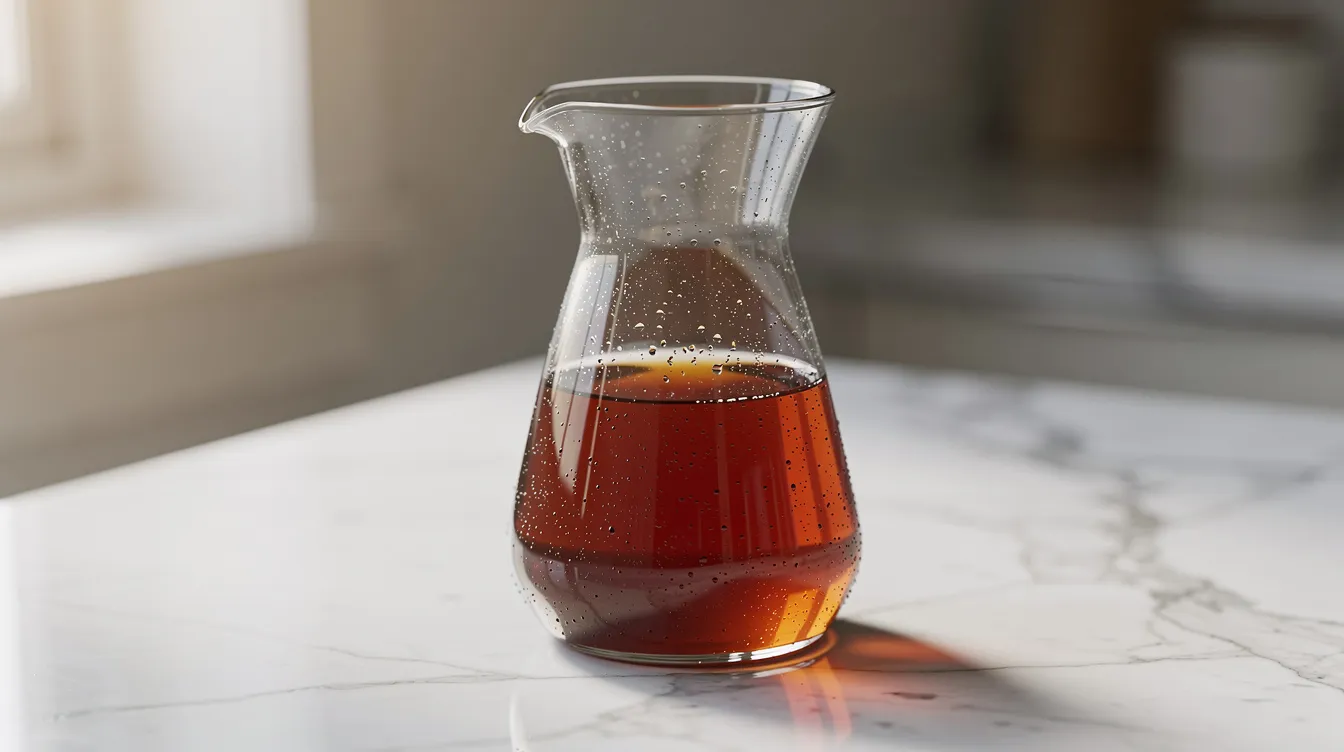
Cold brew methods often produce smoother coffee with less acidity. Cold brewing reduces acid levels by up to 65% compared to hot brewing, and cold brew coffee is often perceived as less acidic than hot-brewed coffee. French press and other immersion methods produce fuller body and rounded flavor. Pour-over and some espresso styles can highlight acidity; use a particularly low acid bean if you brew this way. A slightly coarser grind and shorter brew time moderate harsh extraction. If a coffee still feels sharp, try cold brew concentrate diluted with water or milk before switching brands.
How to Choose the Best Low-Acid Coffee for You
Choosing the right bag means matching your stomach sensitivity, flavor preference, and daily routine. Consider your main goal (less reflux, smoother flavor, organic certification, decaf, budget) and then evaluate roast level, origin, certifications, and brewing method together.
Look for Transparent Low-Acid Claims and Data
Favor brands that publish measured pH numbers or independent lab test results. Look for brands that disclose roast level and origin for acidity. Specific brands like Puroast (LACCSA-certified, pH 5.7–5.9) and trücup (pH 5.74) provide the strongest documentation. Vague buzzwords like “smooth” or “gentle” without any explanation of process or test results are unreliable, especially for people with serious acid reflux. Check brand FAQs, look for third-party testing badges, and contact roasters directly when low acid claims are important for health-related reasons.
Match Roast Level to Taste and Sensitivity
Choose medium roast if you want balance and versatility. Go medium dark or dark if you want the lowest perceived acidity with more roastiness. Avoid ultra-light if acid-sensitive; light roasts preserve more bright acidity and can feel sharper. Example pairings: medium roast for drip or pour-over, medium dark for French press, dark roast for moka pot or espresso. Some low acid brands offer multiple roasts, so start with medium and adjust. Reducing caffeine via half caff or decaf can also help some acid reflux sufferers, independent of acidity itself.
Consider Origin, Processing, and Flavor Notes
Look for descriptor words like “chocolate,” “nutty,” “caramel,” “molasses,” or brown sugar (often associated with smoother profiles) instead of “citrus,” “berry,” or “tart.” Natural and honey-processed coffees add sweetness and body that make low-acid profiles feel more satisfying. Single origin coffees like Lifeboost’s Nicaraguan or Java Planet’s Colombian let you learn which regions your stomach and palate prefer.
Whole Bean vs Ground, Freshness, and Roast Date
Whole bean coffee tends to taste smoother and sweeter when ground just before brewing, even though it does not change the inherent chemical acidity. Look for roast dates rather than “best by” dates, and aim to use beans within two to six weeks after roasting. Pre-ground low acid coffee is convenient but can lose sweetness and clarity sooner, sometimes making rough edges more noticeable. A basic burr grinder is worth the investment for anyone serious about consistently good low acid coffee.
Price, Availability, and Format Variety
Specialty low acid brands often cost more than regular coffee ($1.25–$2.14 per ounce vs. under $1.00 for grocery brands), but may deliver better flavor, transparency, and consistency. Puroast and Trader Joe’s can be found in stores; Lifeboost, Volcanica, and Lucy Jo’s are mostly online in the U.S. Formats include 12 oz and 1 lb bags, larger value bags, K-Cup pods, and single-serve sachets. Start with smaller bags or sample packs before committing to bulk purchases, especially if you’re experimenting for acid reflux relief.
Brewing and Freshness Tips for Even Gentler Coffee
Even the best low acid coffee can taste sharper if brewed with water that’s too hot, a grind that’s too fine, or an extraction that runs too long.
Cold Brew: The Lowest Perceived Acidity
Coarse ground coffee steeped in cold water for 12–24 hours, then filtered, produces a smooth concentrate. Cold brew coffee is often smoother and less acidic than hot brew, making it an excellent pairing with low acid beans for those with chronic acid reflux. A ratio of 1:4 or 1:5 coffee to water by weight is a good starting point. Store the concentrate in the fridge for up to five days for a practical daily low acid option.
Dialing in Drip, Pour-Over, and French Press
For drip coffee makers and pour-over, use slightly cooler water (around 195–200°F), a medium grind, and avoid extended brew times to reduce harsh extraction. For French press, a medium-coarse grind with a four-minute steep and gentle plunge highlights body and sweetness while keeping acids balanced. Over-extraction exaggerates bitterness and perceived acidity even in low acid coffee. Run small experiments with grind, ratio, and time for each new bag.
Water Quality, Storage, and Other Easy Wins
Filtered water with moderate mineral content produces cleaner flavor and more stable extraction. Store coffee in an opaque, airtight container at room temperature; avoid fridge or freezer storage for opened bags. Grind only what you need per brew to preserve sweetness. A splash of milk or a non-dairy alternative can further soften perceived acidity, though dairy itself is problematic for some digestive conditions.
Is Low-Acid Coffee Better for Your Health?
Low acid coffee can be more comfortable for people prone to heartburn or acid reflux, but it is not automatically “healthier” than regular coffee for healthy adults. Health outcomes depend on total diet, caffeine intake, individual sensitivity, and underlying conditions. Coffee’s antioxidants and potential benefits appear in both regular and low acid versions. Low acid coffee can reduce symptoms of acid reflux, but that is a comfort improvement, not a cure.
Acidity, Acid Reflux, and GERD
Conventional coffee brews at pH around 4.8–5.2. Verified low acid coffees measure closer to pH 5.7+, meaning measurably less acid. For people with GERD, many choose to drink low acid coffee to reduce discomfort from reflux, and lowering the acid content and caffeine load can make coffee more tolerable, though even verified low acid options can still affect people differently. Choosing a stomach friendly coffee is a lifestyle adjustment, not a medical treatment; people with diagnosed GERD or ulcers should follow their clinician’s guidance. Consider keeping a simple coffee diary (time of day, brew strength, brand) to identify personal patterns in reflux symptoms.
Organic Certification and Other Misconceptions
USDA organic certification does not affect coffee acidity levels. It addresses farming practices (no synthetic pesticides or fertilizers), not pH. Organic coffee can still be high in acidity depending on its origin and roast level. Buyers should not assume “organic” equals “stomach friendly.” Mold and mycotoxin concerns are separate from acidity; third-party testing and good processing practices matter more than organic status alone. Allergen-free or gluten-free labels likewise do not guarantee lower acidity.
When to Talk to a Healthcare Professional
If you experience persistent heartburn, chest pain, nausea, or nighttime reflux, consult a healthcare provider rather than relying solely on making dietary changes to your coffee routine. Some people need to limit or avoid caffeine altogether, regardless of how low-acid the coffee is. Do not discontinue prescribed medications in favor of dietary changes without medical guidance. Capitol City Coffee’s content is informational only and not a substitute for professional medical diagnosis or treatment.
Related Guides from Capitol City Coffee
Explore more coffee styles in our coffee types hub or learn foundational basics in our main coffee guide. If certifications, ethics, or caffeine intake matter alongside low acid, check out our roundups on best fair trade coffee and best decaf coffee.
Combine what you’ve learned about the low acid coffee category with these other factors to build a personalized daily coffee lineup that fits your stomach, palate, and values.
Frequently Asked Questions
These FAQs address common questions about low acid coffee not fully covered in the sections above.
Does low acid coffee still contain caffeine?
Caffeine content in low acid coffee is similar to regular coffee unless the bag is specifically labeled decaf or half caff. Acidity and caffeine are separate traits. Caffeine can aggravate reflux even when acidity is reduced, so if you are sensitive to both, look for a decaf or half caff low acid option from brands like trücup or Lucy Jo’s.
Can I make my regular coffee less acidic without buying special beans?
Using a cold brew method, choosing a slightly darker roast, grinding coarser, shortening extraction time, or adding milk or cream can all reduce perceived acidity. These tweaks won’t change the underlying pH as much as a genuinely low acid coffee processed for acid reduction, but they are worth testing first. Switch to verified low acid beans if discomfort persists.
Is espresso more or less acidic than drip coffee?
Espresso is concentrated and can feel intense, but its short extraction and finer grind often yield lower measured acidity than some drip methods. Perceived sharpness depends on roast level and blend. Choose medium dark or dark low acid blends labeled for espresso if you enjoy espresso-style drinks but are acid-sensitive.
Are flavored coffees usually low acid?
Flavored coffees are not inherently low acid. Their acidity is determined by the base coffee beans and roast level; flavorings add aroma and taste but do not reduce acidity. If you need a gentler cup, prioritize a verified low acid or smooth medium dark base and only then consider flavored varieties. Watch for added sugars or allergens in flavoring compounds.
How long does an opened bag of low acid coffee stay fresh?
An opened bag stays at its best for about two to four weeks if stored in a cool, dark, airtight container. Chemical acidity remains stable longer than flavor and aroma do. Buy bag sizes you can finish within a month to ensure smoother, sweeter cups that feel gentler overall. A stale bag of any coffee, including acid free labeled products, will taste harsher than a fresh one.