

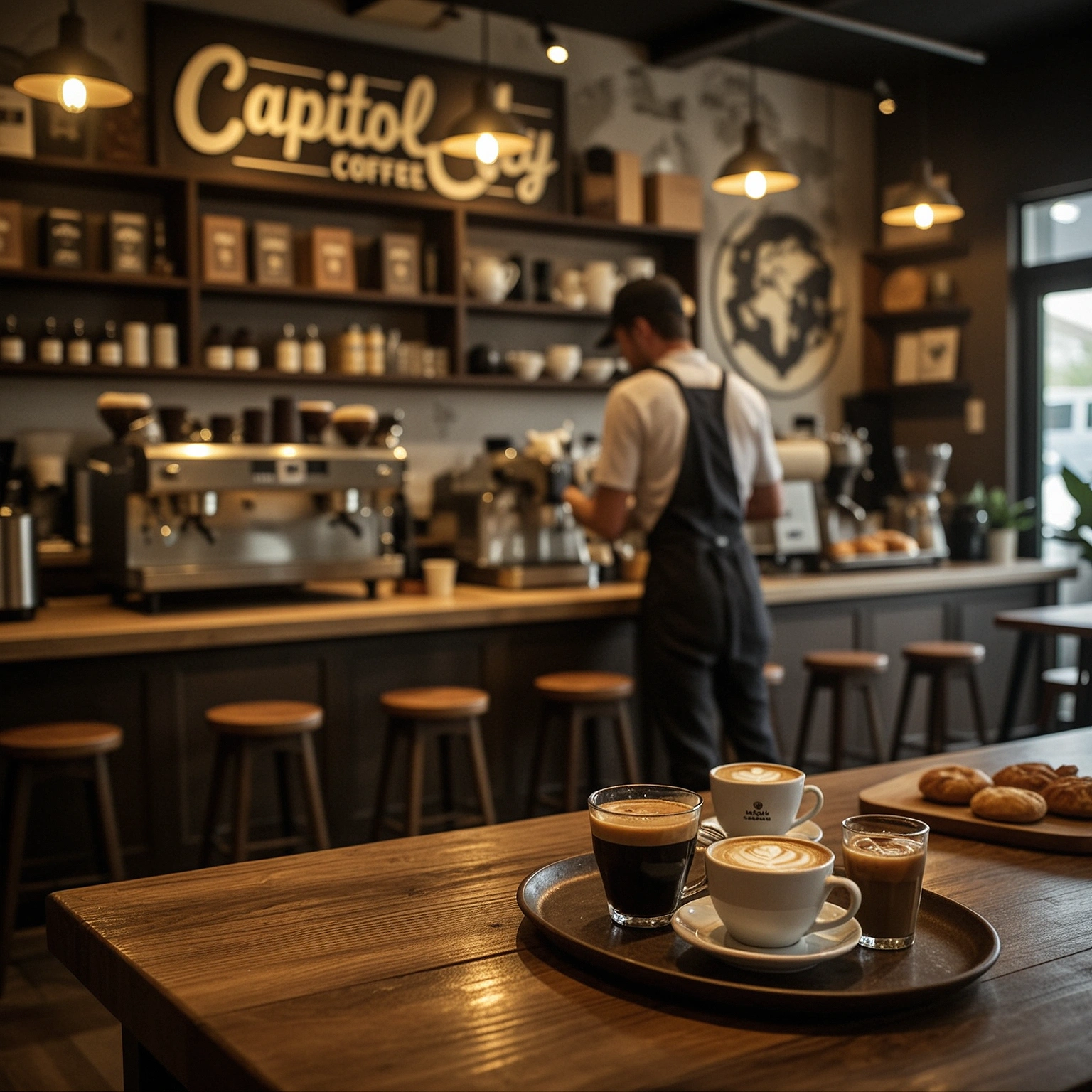
Coffee is not just a drink. It is a social ritual across various cultures, a daily ritual that anchors mornings and late-night conversations on every continent.
Key Takeaways
- Coffee culture around the world is built from daily coffee rituals, historic coffee houses, and social coffee traditions that turn a simple cup into a shared experience.
- Iconic coffee ceremonies in Ethiopia, Turkey, Italy, Japan, Vietnam, and Scandinavia show how different cultures connect hospitality, identity, and community through coffee.
- Modern café culture and coffee shops extend the older tradition of coffeehouses as social and creative hubs.
- Coffee cultivation, ethical sourcing, and sustainability now shape how we think about every cup, from farm to counter.
- You can bring global coffee cultures into your own coffee break at home using accessible brewing methods and regional food pairings.
1. A Global Love Affair with Coffee
Coffee culture around the world is the mix of rituals, coffeehouses, and local traditions that shape every cup into more than a drink, from morning brews in São Paulo apartments to post-lunch espresso in Italy, Ethiopian coffee ceremonies, Turkish service, and quiet café routines in Japan. For coffee enthusiasts, cultural explorers, and anyone curious about the social life of coffee, these customs show how people use coffee to share hospitality, mark daily rhythms, and build community. The history of espresso in Italy reflects a rich tradition that has evolved over generations. Each region boasts its own unique brewing methods and local variations, contributing to the diverse landscape of Italian coffee culture. As espresso became a staple, it not only transformed the daily routine of Italians but also influenced coffee lovers around the world.
Coffee culture refers to the habits, rituals, and social rules built around drinking coffee. Café culture points to the public spaces where people gather, linger, and connect over a cup. Together, they shape how billions of people experience coffee in everyday life and help explain why coffee says so much about identity, history, and place.
The world consumes over 2.25 billion cups of coffee per day. That scale reflects more than demand: it reflects shared routines, from the office coffee break and the weekend pour-over to historic coffeehouses, ethical sourcing, and the café customs that influence how coffee is grown, served, and valued.
This article walks through coffee’s origins and coffeehouses, landmark traditions across Ethiopia, the Mediterranean, Europe, Asia, and the Americas, modern coffee shop culture, coffee beans and cultivation, and practical ways to bring global coffee rituals into your own brewing at home.
2. From Highland Shrubs to Global Cups: The Origins of Coffee Culture
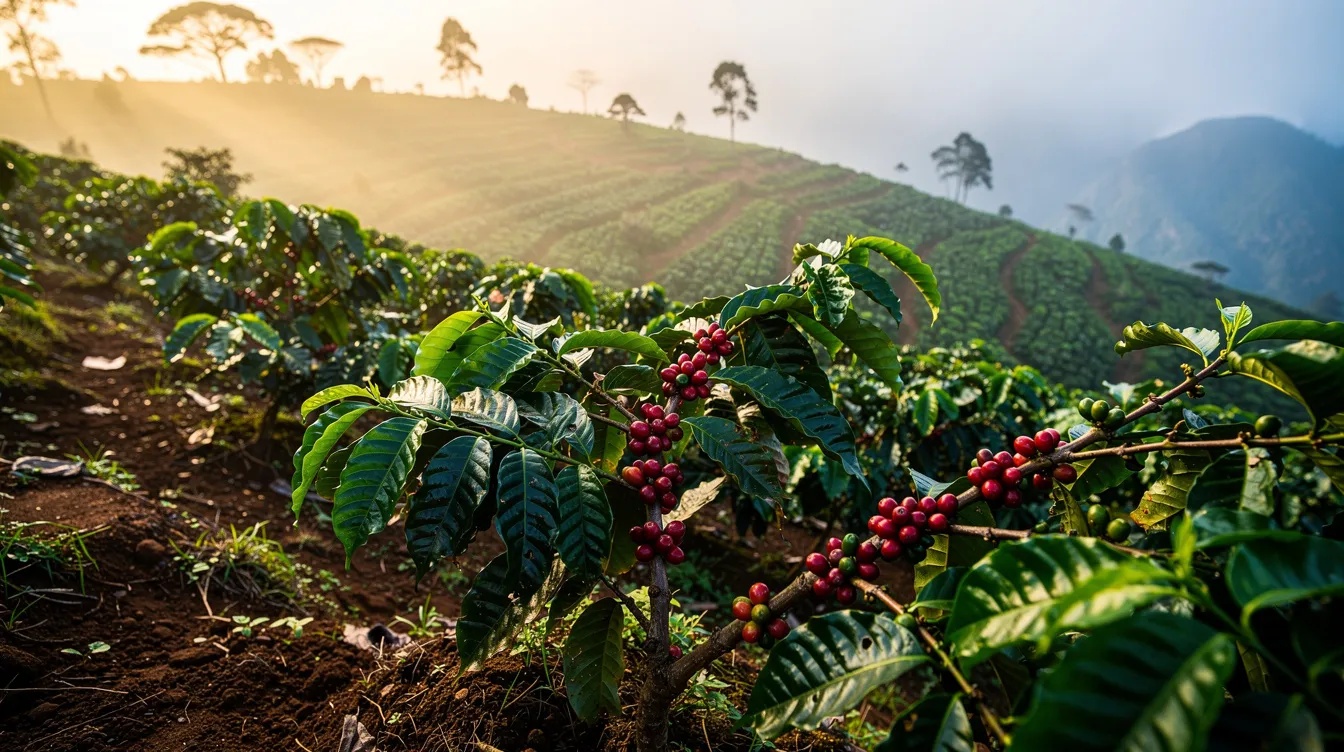
Legend says a goat-herder named Kaldi noticed his goats became unusually spirited after eating red coffee cherries in the Ethiopian highlands during the 9th or 10th century. Whether or not the story is true, Ethiopia remains the genetic origin of Coffea arabica.
By the 15th century, coffee cultivation had moved into Yemen, where Sufi communities drank coffee to stay awake during night prayers. Cities like Mocha became key export points. Coffeehouses became centers for conversation and debate across the Middle East in the 15th century.
From Yemen, trade routes carried coffee beans through the Red Sea and the Ottoman Empire to Mecca, Cairo, Damascus, and Istanbul. By the early 1600s, merchants brought coffee to Venice, London, and Paris, starting Europe’s own coffee traditions.
3. The Rise of Coffeehouses: From Qahveh Khaneh to Café Culture
Public coffeehouses appeared in the Ottoman world by the mid-1500s. The first recorded ones opened in Istanbul around 1554-1555, run by merchants from Damascus and Aleppo. Coffeehouses in the Arab world became centers for social interaction.
These early coffee shops hosted storytellers, musicians, chess players, and political debates. They offered a sober alternative to taverns and created space for social gatherings outside family or religious settings.
The model spread to Europe:
- In 17th-century London, “penny universities” sold coffee and conversation for a penny.
- Parisian cafés on boulevards became meeting points for writers and artists.
- Viennese coffeehouses offered newspapers, pastries, and marble-topped tables for long stays.
Cafés historically served as important sites for intellectual and artistic life in Europe. Coffeehouses in Europe became meeting places for writers and thinkers, shaping the Enlightenment and artistic movements.
American coffee shops later adopted this blueprint, evolving from 20th-century diners to laptop-friendly cafés and third-wave specialty coffee bars. Modern cafe culture still echoes the original function: social and intellectual hubs, now with wifi and oat milk.
4. Ethiopia: The Coffee Ceremony as Sacred Daily Ritual
Ethiopia is the birthplace of coffee beans and home to one of the richest surviving coffee cultures around the world. The traditional Ethiopian coffee ceremony emphasizes community and hospitality, centered on sharing coffee with family and guests, in a way few other rituals match.
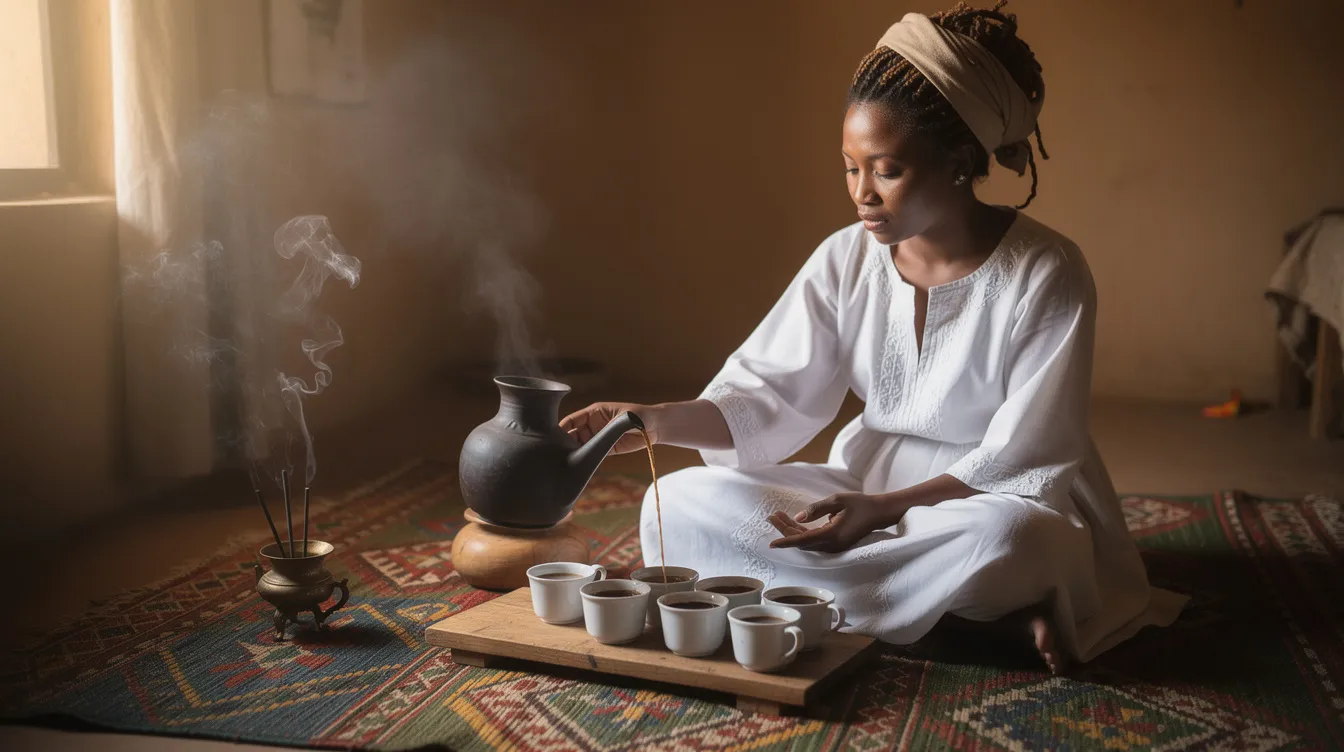
The Ethiopian coffee ceremony follows a set sequence:
- A host (usually a woman) washes green coffee beans, then begins roasting green coffee beans over charcoal in a flat pan.
- The roasted beans are ground with a wooden mortar and pestle.
- The grounds brew in a clay pot called a jebena, a small pot used across Ethiopian households. Ethiopian coffee is brewed in a jebena pot.
Coffee is served in three rounds: abol (first, strongest), tona (second), and baraka (third, carrying a blessing). Each round holds meaning around hospitality and lineage.
Common accompaniments include popcorn, roasted barley, or biscuits. Burning frankincense incense marks the ritual as special. Ethiopian coffee ceremonies can last several hours, though shorter modern settings may last up to two hours. They serve as the setting for family gatherings, honoring guests, and marking important conversations. These elaborate coffee ceremonies remain a part of daily life in both rural and urban Ethiopia.
5. Mediterranean and Middle Eastern Traditions: Thick Brews and Deep Hospitality
Several coffee cultures around the eastern Mediterranean share roots but carry distinct coffee rituals. The brewing process, serving customs, and social meaning differ from country to country.
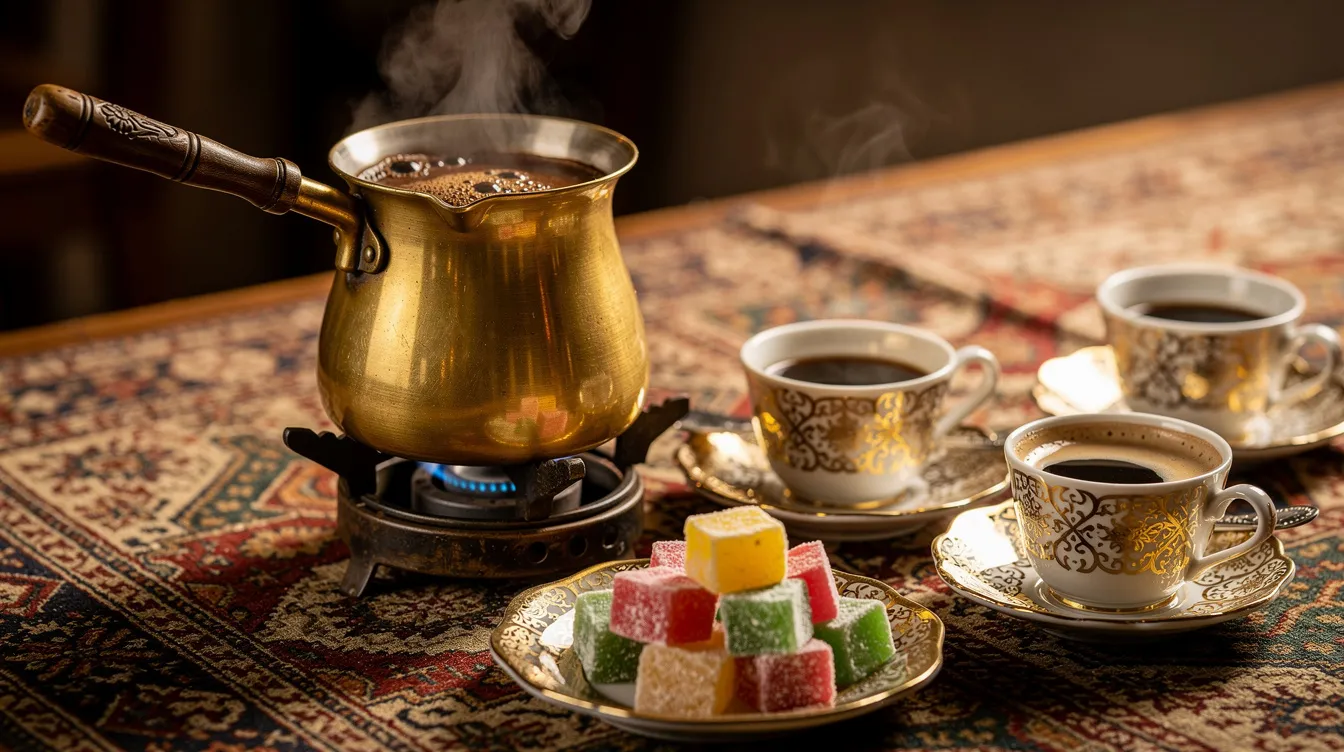
Turkish coffee uses very finely ground coffee simmered with water and sugar in a small pot called a cezve. Turkish coffee is brewed in a cezve pot with finely ground coffee and served unfiltered, leaving grounds at the bottom of small cups. It is a symbol of hospitality and conversation, often paired with Turkish delight or baklava.
In Türkiye, coffee plays specific cultural roles:
- Hosts serve coffee to guests as a sign of respect.
- A bride traditionally makes coffee for her future husband’s family before the wedding.
- Fortune telling through tasseography (reading coffee grounds) is a common social game.
Arabic coffee traditions emphasize hospitality and the act of serving coffee to guests. In the Gulf states, qahwa is spiced with cardamom and served in small cups. Greek coffee, brewed in a briki, shares similarities with Turkish coffee but differs in roast level and foam preference. In all these regions, coffee serves connection and long conversations more than speed.
6. European Coffee Cultures: Espresso Bars, Fika Breaks, and Sidewalk Cafés
European coffee culture varies from quick espresso shots in Naples to two-hour terrace sits in Paris. The common thread is that coffee anchors social life.
Italian coffee culture runs on rhythm. Morning cappuccino with steamed milk at the bar, quick espresso after lunch. In Italy, espresso is typically consumed standing at the counter. Italian espresso is brewed quickly using an espresso machine, and espresso culture treats milk drinks as morning-only. Italian espresso bars serve as social hubs for quick interactions between neighbors and colleagues.
In France, coffee culture is connected to cafés as social spaces for conversation and creativity. Café au lait or a small espresso is sipped slowly on terraces. People-watching and reading fill the hours. Parisian café culture treats lingering as the point, not the exception.
Sweden and Finland have a tradition called fika, which celebrates coffee and social connection. Fika in Sweden is a coffee break enjoyed with pastries and friends, often cinnamon buns. Swedes enjoy coffee breaks known as fika multiple times a day. Sweden’s fika tradition promotes socializing over coffee breaks, pairing medium-roast drip coffee with kanelbullar. Swedish coffee culture treats the pause itself as essential.
Austria’s historic Viennese coffeehouses, with marble tables, newspapers, and layered cakes, remain examples of intellectual café culture where guests stay for hours.
7. Asian Coffee Scenes: From Vietnamese Street Cafés to Japanese Precision
Asia’s coffee cultures blend older tea traditions with modern specialty coffee and local innovations. The results are distinct from anything in Europe or the Americas.
Vietnamese coffee is brewed using a small drip filter called a phin. Vietnamese coffee is brewed using a phin filter over condensed milk, producing cà phê sữa đá (iced coffee with sweetened condensed milk). Egg coffee in Hanoi layers beaten egg yolk with sugar and condensed milk over strong coffee. Street-side coffee shops with low plastic stools are where locals idle for hours.
Japanese coffee culture emphasizes precision in brewing methods. Traditional kissaten are old-style coffee shops with dim lighting and careful service. Modern specialty cafés favor a carefully brewed pour over using tools like the Hario V60 or siphon brewers. Japanese coffee often uses pour-over methods that treat extraction temperature and timing as exact sciences.
South Korea’s café culture runs on themed coffee shops (cats, books, plants), dessert-heavy menus, and spaces designed for dates and social media. Seoul alone has thousands of specialty cafés competing on aesthetics and drink innovation.

8. Coffee Across the Americas: From Farm to Coffee Shop
The Americas are both major coffee-growing regions and diverse centers of café culture. Coffee production here shapes global supply and local culture simultaneously.
Latin American traditions reflect the overlap of cultivation and daily life:
- In Colombia, tinto (simple black coffee) is sold by street vendors and drunk throughout the day.
- In Mexico, café de olla is typically brewed in a clay pot with cinnamon and piloncillo sugar.
- In Guatemala and Costa Rica, coffee cultivation shapes rural identities, festivals, and family livelihoods.
Coffee in the United States has evolved into a customizable and accessible everyday beverage. The arc runs from mid-20th-century diner drip coffee to the second-wave boom of coffee chains like Starbucks, and then to the third wave coffee movement. That movement focuses on single-origin coffee beans, manual brewing methods, and transparent sourcing. Many specialty coffee shops now function as flexible spaces for remote work, creative projects, and community events. Seattle, often seen as a coffee capital, links the rise of major chains with indie roasters and a craftsmanship-driven café culture.
9. Beans, Cultivation, and Ethics: What Shapes the Flavor in Your Cup
Two species dominate the coffee industry. Arabica (about 60-80% of global coffee production) grows at high altitudes and produces complex flavors. Robusta is hardier, contains more caffeine, and carries more bitterness. Altitude, soil type, and climate in regions like Ethiopia, Colombia, and Vietnam shape each bean’s acidity, sweetness, and body.
Key processing methods after harvest:
- Washed: pulp removed before drying; clean, bright flavors.
- Natural: cherries dried whole; fruity, bold.
- Honey: partial mucilage left on; balanced sweetness.
Ethical sourcing frameworks like Fairtrade, Rainforest Alliance, and direct trade connect global coffee traditions to better incomes for farmers. Shade-grown coffee in Central America protects biodiversity. Colombia’s bird-friendly farms preserve forest cover in coffee zones.
Choosing ethically sourced beans starts with reading the label. Look for origin, farm name, altitude, and processing method. Ask your local coffee shop about their sourcing. That question directly supports the traditions behind every cup.
10. Modern Café Culture: How Coffee Shops Shape Daily Life Today
Contemporary coffee shops blend old coffeehouse roles with new needs. They are workstations, meeting spots, and cultural venues. Laptop-friendly cafés in New York, minimalist specialty bars in Copenhagen, and neighborhood coffee shops in smaller towns all serve this purpose.
The third wave coffee movement treats baristas as guides to origin, processing, and the brewing process. Think of them as sommeliers for coffee. This approach to modern coffee culture rewards curiosity.
Current trends shaping café culture:
- Cold brew and nitro coffee on tap.
- Plant-based milk options (oat, almond, soy) standard at most counters.
- Seasonal signature drinks that rotate quarterly.
- Experimental processing (anaerobic fermentation, honey variants) as points of differentiation.
Be an intentional customer. Ask about the beans. Try a different brew method. Respect local customs and café etiquette wherever you enjoy coffee.
11. Bringing Global Coffee Traditions into Your Own Coffee Break
You do not need a plane ticket to experience coffee culture. Here are five ways to bring global coffee rituals home:
- Host a slow Sunday “fika.” Brew medium-roast drip coffee, bake or buy cinnamon buns, and sit with friends for at least 30 minutes. No phones.
- Make Vietnamese-style iced coffee. Place a phin filter over a glass with two tablespoons of sweetened condensed milk, add strong coffee, and pour over ice.
- Try three brewing methods in one week: French press (full-bodied immersion), moka pot (Italian-style stovetop espresso), and pour-over (Japanese-style clarity). Each highlights different flavors from the same coffee beans.
- Pair coffee with regionally inspired foods: biscotti with Italian espresso, cardamom buns with Swedish coffee, or small sweets with Turkish-style strong coffee.
- Set aside one intentional coffee break per day. Slow down. Smell the grounds. Share the cup. Turn a habit into a daily ritual, alone or with someone you care about.
These are low-cost, accessible ways to experience global coffee culture at home or in your favorite local coffee shop.
12. FAQ: Coffee Culture, Rituals, and Global Traditions
How is “coffee culture” different from just liking coffee?
Coffee culture includes shared rituals, social rules, preferred brewing methods, and the role of coffee houses in a community. It is not just a beverage preference. A coffee culture reveals how a society gathers, welcomes guests, and marks daily transitions. Someone who “just likes coffee” may grab a cup on the way to work. Someone living within a coffee culture participates in a web of local customs, timing rules, and serving traditions that shape social life.
Why do some countries have strict rules about when to drink certain coffee drinks?
Italy’s “no cappuccino after 11 a.m.” custom comes from beliefs about digestion and the idea that milk is for mornings only. It is not a health regulation; it is social identity. Ordering a cappuccino after lunch in Rome will not get you fined, but it marks you as a tourist. These local customs reflect deep habits passed through generations and reinforced by daily repetition.
Are traditional coffee ceremonies still common in urban areas?
Yes. Ethiopian coffee ceremonies occur in urban homes and specialized cafés in Addis Ababa, sometimes shortened for modern schedules but still following the core steps. Turkish coffee service remains essential in Gulf hospitality. Street-side phin cafés in Vietnam thrive in Ho Chi Minh City and Hanoi. The rich history of these rituals keeps them alive even in fast-paced cities.
What is the difference between a coffeehouse and a modern coffee shop?
Historical coffeehouses were public spheres for social, political, and intellectual engagement. Modern coffee shops descend from that tradition but add commerce, branding, digital connectivity, and specialization in specialty coffee. A 16th-century Istanbul coffeehouse hosted poets and chess players. A 2026 Brooklyn café hosts remote workers, latte art competitions, and single-origin tastings. The function is similar; the tools have changed.
How can I choose coffee beans that support sustainable coffee cultivation?
Look for clear origin information on the label: country, farm or cooperative name, altitude, variety, and processing method. Certifications like Fairtrade or Rainforest Alliance help, but also ask baristas or roasters about direct-trade relationships. Buying from roasters who publish sourcing details means more coffee revenue reaches farmers. That transparency supports both the coffee industry and the traditions behind every cup you serve coffee from.