

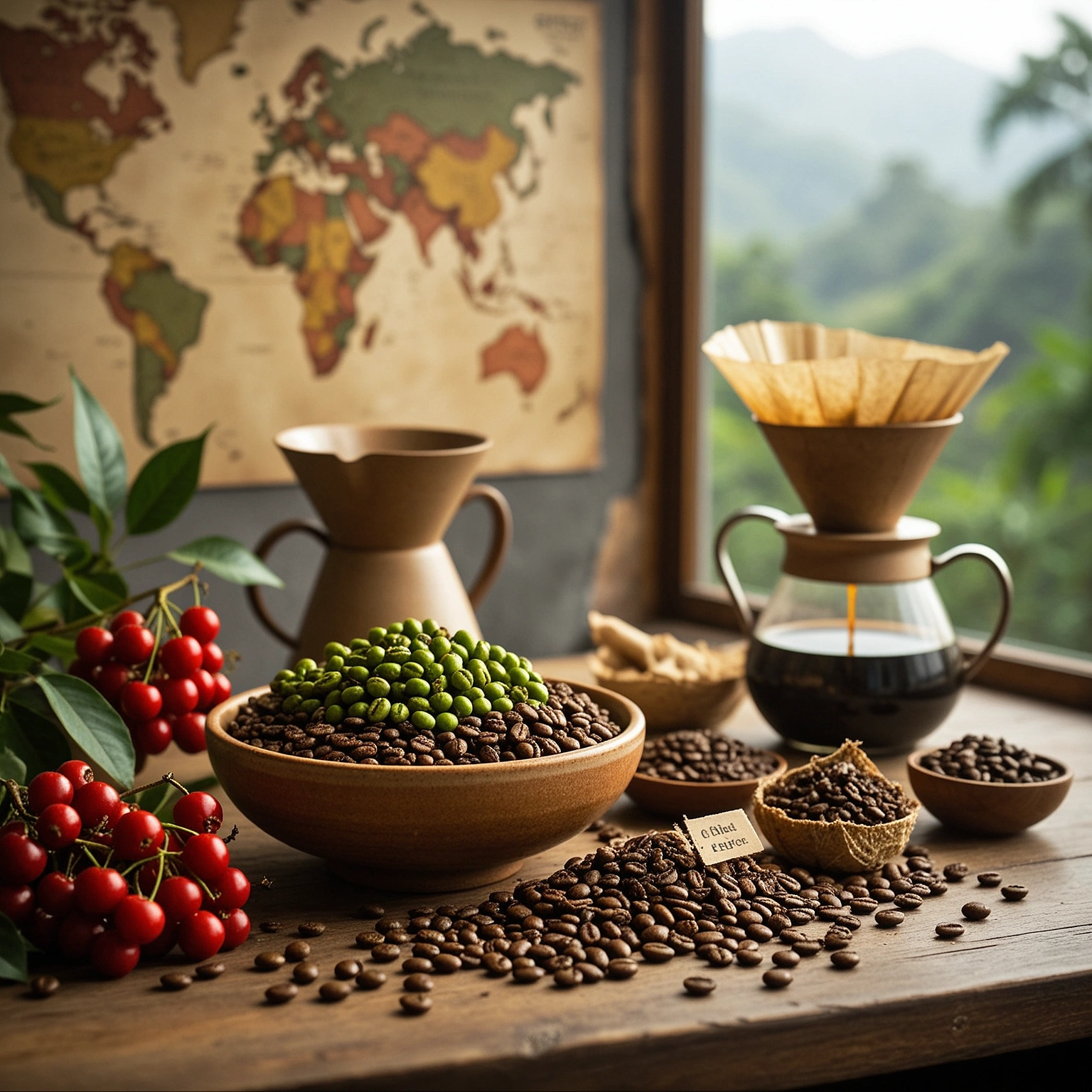
Coffee is not just a beverage. Coffee origins—country, region, and sometimes even the farm—shape flavor and quality through altitude, climate, soil, and processing, which is why African coffees often taste brighter and fruitier, Latin American coffees more balanced, and Asia-Pacific coffees earthier and fuller. Understanding coffee bean origins is the fastest shortcut to finding your favorite coffee and never wasting money on beans you won’t enjoy. Brazil Santos coffee flavor profile is known for its smooth body with chocolate and nutty undertones. This unique combination makes it a favorite among those who appreciate a rich yet well-rounded taste. Additionally, the mild acidity allows for a versatile brewing style that pairs well with various brewing methods.
Whether you’re new to specialty coffee or already know your way around a bag label, this guide will help you connect growing region to taste, acidity, body, roast level, and brew method so you can buy beans that match what you actually like. You’ll see what “origin” really means at the country, regional, and farm level, how terroir and roasting change the cup, and which coffees to choose if you want something floral, chocolatey, bright, smooth, or rich.
Key Takeaways
- “Coffee origin” means country, region, and even specific farm. Each level shapes coffee’s flavor profile in measurable ways, from acidity and body to aroma and sweetness.
- African beans (especially from Ethiopia and Kenya) tend to deliver fruity and floral notes with bright acidity. Latin American coffees are balanced and sweet. Asia/Pacific coffees lean earthy and bold.
- Quick buying guide: if you want chocolatey notes, buy Brazil Santos or colombian coffee. For fruity notes, try Ethiopian or Kenyan. For nutty flavors, reach for Guatemala or costa rican coffee. For earthy flavors, choose Sumatra or Indonesian origins.
- Roast level (light roast vs dark) can highlight or mute origin character, but cannot fully override it.
- A practical comparison table and a step-by-step buying guide appear further down this article.
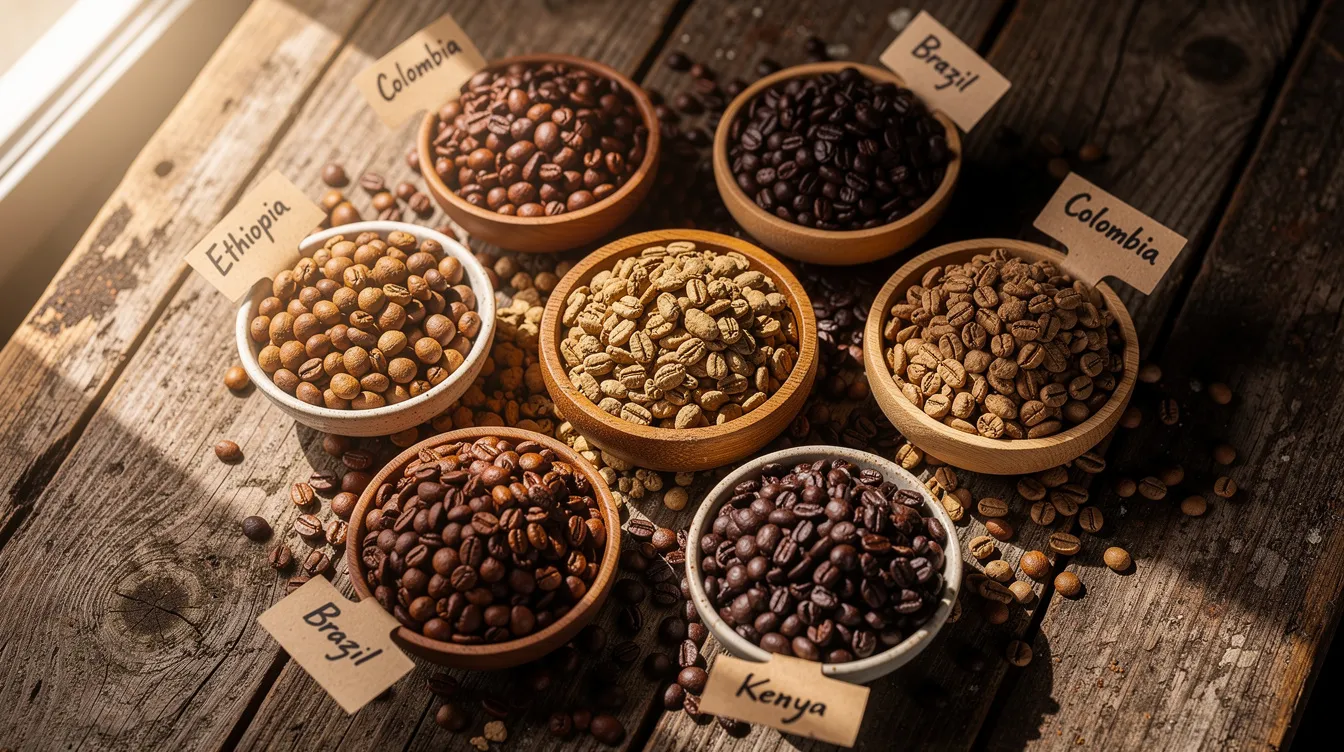
What “Coffee Origin” Really Means
Origin is not just the country printed on a bag. It is a stack of three levels, and each one gives you more precision about coffee’s flavor and quality. Coffee flavor varies with local altitude, weather, and soil at every level of this stack.
The three levels of origin:
- Country (e.g., Ethiopia, Colombia, Indonesia) gives big-picture expectations about climate, varieties, and processing methods.
- Region (e.g., Ethiopia Sidama, Colombia Huila, Costa Rica Tarrazú) narrows the regional flavor and quality signature.
- Farm or cooperative (e.g., single estate lots) provides the most precise and traceable flavor information.
Consider the difference between a bag labeled “Ethiopia” versus “Ethiopia Yirgacheffe, washed process, 1,900 m.” The second tells you exactly what to expect. Same with “Brazil” versus “Brazil Santos, natural process, low altitude.”
Labels like “single origin coffees” usually mean one country or region. Blends combine beans from several origins to balance flavor and body. The global coffee belt includes Latin America, Africa, and Asia-Pacific, and the major coffee growing regions each produce unique flavor profiles.
How Origin Changes Flavor, Body, and Acidity
Think of coffee like wine. The same coffee plant species, grown in different regions, produces dramatically different taste coffee experiences. This is terroir in action. Coffee flavor profiles are shaped by their terroir, and terroir shapes coffee through climate, soil, and human practices.
Here is how the key factors work:
- Altitude: Higher elevations slow coffee cherry maturation, enhancing flavor complexity. High-altitude coffees often exhibit bright acidity and floral notes. Low-altitude coffees mature faster, resulting in simpler flavors with lower acidity and heavier body. Sea level elevation also affects coffee bean density. A 2023 study confirmed that high-altitude coffee develops greater flavor complexity, while low-altitude coffee often has simpler flavor profiles.
- Climate: Climate factors such as temperature and rainfall impact coffee cherry maturation. Climate stability leads to consistent quality and flavor development. Cooler temperatures with large day-night swings build more complex flavors.
- Soil: Soil composition affects nutrient access and flavor potential in coffee. Volcanic soil contributes to bright acidity and clarity. Heavier clay or loam soils often produce rounder, chocolatey body. Volcanic soils rich in minerals support more acidity and clean cup character.
- Variety: Coffee varieties influence regional flavor characteristics. Arabica is sweeter and more delicate. Robusta coffee adds bitterness, earthiness, and higher caffeine. Within Arabica, varieties like Bourbon, Typica, Gesha, and SL28 each carry distinct flavor profiles.
Terroir influences how sugars and acids accumulate in coffee beans. Higher altitudes produce coffee with more acidity and complexity. But roast level also shapes how much of this origin character reaches your cup:
- Light roast highlights origin traits like fruit, florals, and bright acidity.
- Medium roasts balance origin sweetness with body.
- Dark roast emphasizes smoke and bitter chocolate, hiding regional nuance.
Origin controls these levers: tasting notes, body, acidity, and sweetness.
Quick Regional Comparison Table (What Each Origin Tastes Like)
This table summarizes how different coffee growing regions taste. Use it as a quick reference before diving into the detailed sections below. Each row links to the deeper regional breakdown that follows.
| Region | Example Origins | Typical Flavor | Acidity & Body | Intensity | Best For |
|---|---|---|---|---|---|
| East Africa | Ethiopia, Kenya, Tanzania | Fruity, floral, wine like flavors | Bright acidity, light–medium body | Medium–High | Adventurous drinkers who enjoy vibrant acidity and complex coffees |
| Central America | Guatemala, Costa Rica, Honduras, Nicaragua, Mexico | Caramel, citrus, light chocolate | Medium acidity, medium body | Medium | Drinkers stepping up from “classic” drip who want more nuance |
| South America | Colombia, Peru, Brazil Santos | Chocolate, nuts, mild fruit | Low–medium acidity, medium–full body | Low–Medium | Latte lovers and espresso fans who want smooth, comforting cups |
| Asia / Pacific | Indonesia Sumatra, Bali Blue, Papua New Guinea | Earthy, spicy, herbal tones, dark chocolate | Low acidity, heavy body | High | People who like strong, bold coffee |
Africa: Bright, Fruity Coffees from the Birthplace of Coffee
Africa, especially Ethiopia the birthplace of Arabica, produces some of the most exciting specialty coffee on the planet. Coffees from this continent often show vibrant acidity, intense flavors, and unmistakable fruit or floral character. Many african beans are grown at high altitudes on rich volcanic soil, which supports more complex flavors and clear coffee taste.
Washed coffees dominate in parts of East Africa, producing clean and bright cups. But the natural process and honey methods also appear, adding jammy, berry-like sweetness and heavier body.
Ethiopia: The Birthplace of Coffee
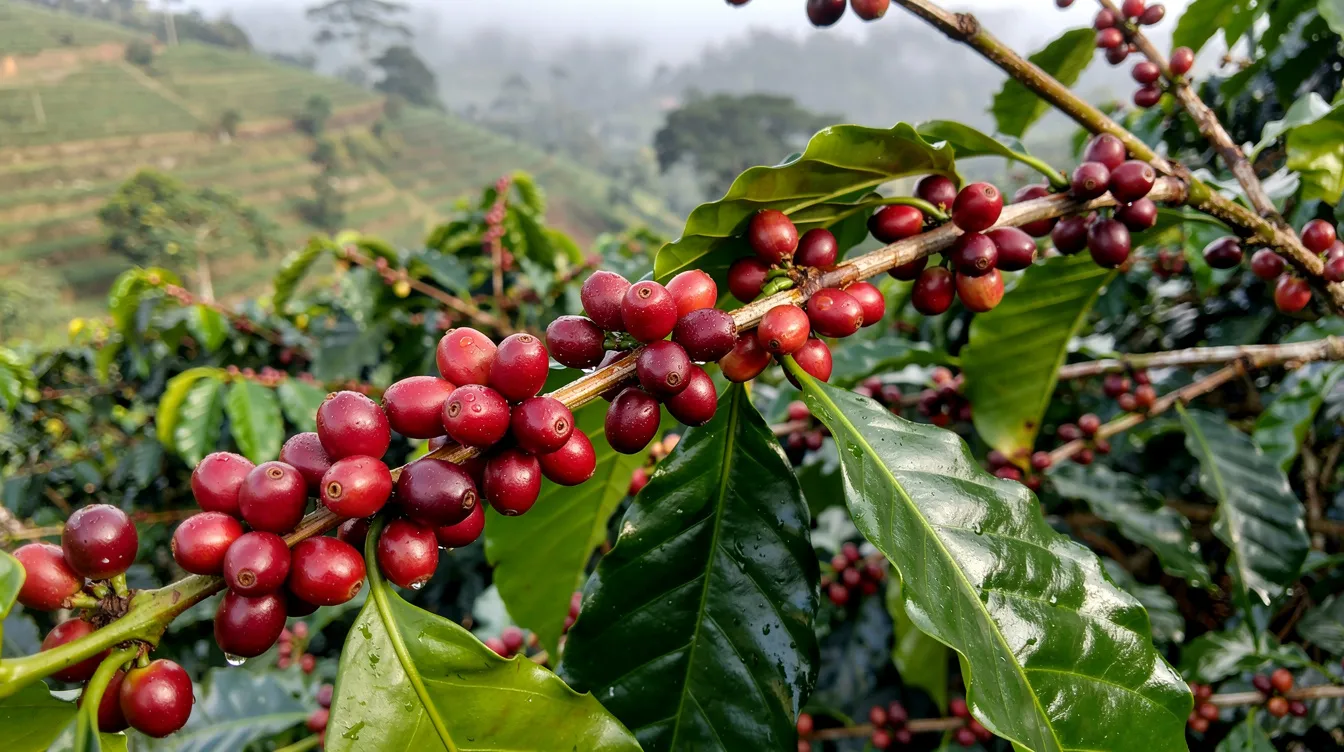
Coffee ethiopia history runs deep. Ethiopia has high genetic diversity in Arabica coffee thanks to wild forests in the southwest, particularly in the Kaffa region. Ethiopia is known for its complex, fruity coffees that can surprise even seasoned coffee enthusiasts.
Ethiopian coffees often show:
- Fruity notes: blueberry, strawberry, stone fruit
- Floral aromatics: jasmine, bergamot, tea like qualities
- Bright acidity with light–medium body
Key regions and what they taste like:
- Yirgacheffe (washed): very clean, floral, citrus, tea-like body. Cupping scores often land between 88–91.
- Sidama/Sidamo (washed or natural): sweet, citrus, stone fruit, crisp acidity.
- Harrar (natural “Ethiopian Harrar”): intense blueberry, cocoa, heavy body, more rustic character. Ethiopian coffee is known for its floral and fruity notes across all these regions, but Harrar stands apart with its wine-like depth.
If you like tea-like clarity and citrus, buy washed ethiopian coffees. If you want a fruit-bomb, dessert-like cup, try natural Harrar. Ethiopian beans reward a light roast and pour-over brewing.
Kenya and Tanzania: High-Altitude Power and Structure
Kenyan coffee is known for its bright acidity and bold fruit notes, grown at altitudes often above 1,700 m on volcanic soils. Kenyan coffee features bright acidity and bold fruit notes that few other origins can match. The SL28 and SL34 varieties, paired with extended washed fermentation, produce exceptionally defined cups.
Typical Kenyan cup profile:
- Blackcurrant, grapefruit, tomato, wine-like acidity
- Syrupy sweetness and very clear flavor separation
- Often graded AA or AB (grading relates to bean size, not quality alone)
Typical Tanzanian profile:
- Bright but often gentler than Kenya
- Citrus, stone fruit, sometimes floral or nutty notes; medium body
Recommend Kenyan coffees for people who love bright, juicy, sparkling coffee and drink it black. Suggest Tanzanian coffees as a softer bridge between Kenya’s intensity and more balanced Latin American cups. Both deliver a vibrant cup.
Latin America: Balanced, Sweet, and Versatile Coffees
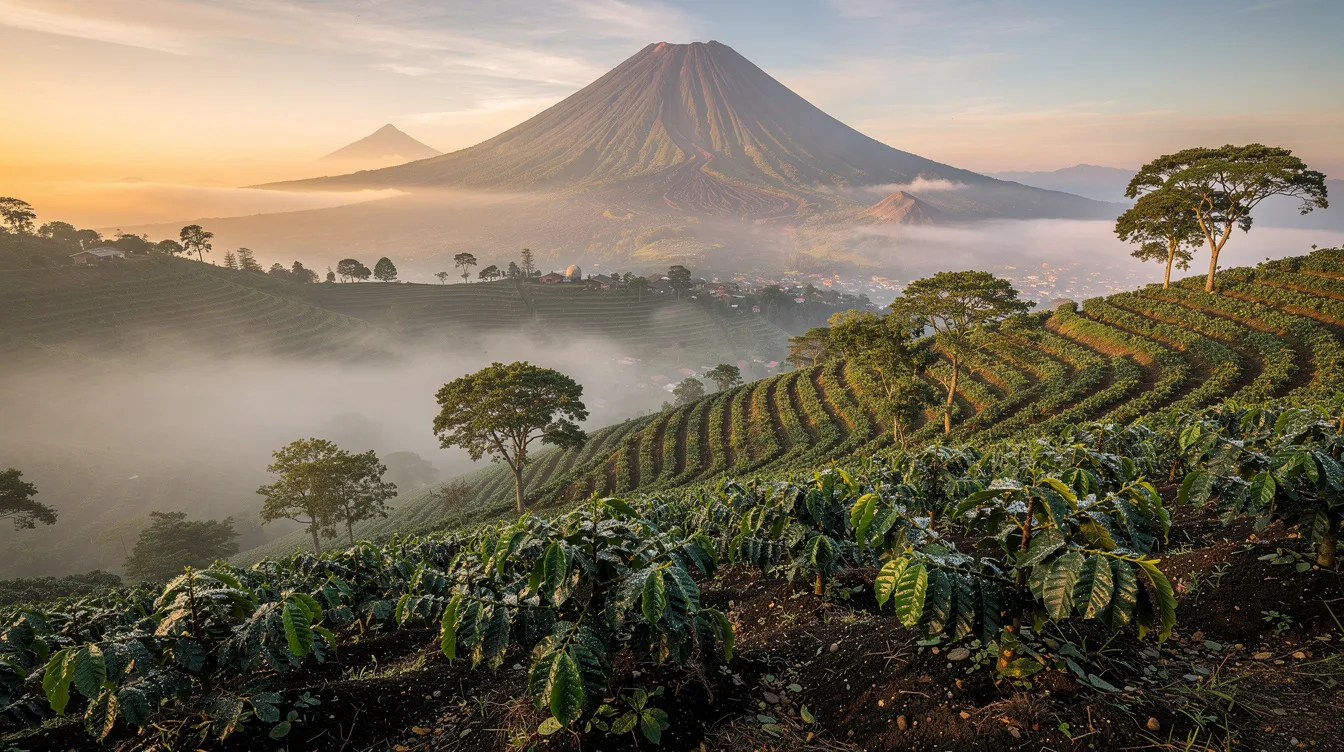
Latin America is the heart of many people’s idea of the best coffee: smooth, sweet, and balanced with approachable coffee taste. The region stretches from Mexico through central america down to south america, with altitudes from 800–2,000+ m and lots of volcanic soil.
Most specialty coffees here are Arabica, often washed or honey processed, giving clarity and gentle sweetness. Processing methods influence how terroir is expressed in coffee, and Latin American producers experiment widely.
Central America: Bright Acidity with Clean Sweetness
Central america (Guatemala, costa rica, Honduras, Nicaragua, Mexico) is known for coffees with vibrant acidity, caramel sweetness, and medium body.
- Guatemala: rich volcanic soil; chocolate, citrus, spice, caramel; medium–full body. Guatemalan coffee is characterized by chocolate and citrus flavors.
- Costa Rica: famous for bright, clean cups and honey processing; orange, red apple, honey sweetness, almond; balanced acidity. Costa rican coffee delivers subtle sweetness and exceptional coffee clarity.
- Honduras: often nutty and sweet with mild acidity and a smooth, medium body.
- Nicaragua: velvety mouthfeel; chocolate and nutty undertones with gentle fruit.
- Mexico: mild acidity, light body, nutty flavors with caramel and soft chocolate.
Suggest Guatemala and costa rica for people who want a step up from supermarket coffee with more clarity and bright acidity. Recommend Honduras and Mexico for those who prefer mellow, easy-drinking drip coffee with nutty notes.
South America: Comforting Chocolate and Nut Notes
South america (especially Colombia, Peru, Brazil) is the source of many classic chocolatey and nutty coffees used in espresso blends and everyday brewing.
Colombia:
- Grown between roughly 1,200–2,000 m
- Colombian coffee is famous for its balanced acidity and caramel notes, with milk chocolate, red apple, and medium body
- Multiple harvests per year provide fresh beans year-round
Peru:
- Often organic, grown high in the Andes
- Flavor: cocoa, gentle fruit, soft acidity, clean sweetness; great for those who like subtle but high-quality cups
Brazil (especially Brazil Santos):
- Brazil is the world’s largest coffee producer, known for nutty flavors
- Lower altitude, lots of natural process coffees
- Typical flavor: nuts, cocoa, low acidity, heavy body; perfect base for espresso and milk drinks
Brazilian coffee and brazilian beans in particular are the backbone of many espresso blends worldwide. Suggest Brazil Santos for people who want creamy espresso and lattes with chocolate and nut flavors. Recommend Colombia as an all-rounder for both filter and espresso, and Peru for drinkers who like gentle, sweet coffees with low bitterness.
Asia / Pacific: Earthy, Spicy, and Deep Coffees
Asia/Pacific origins like Indonesia, Sumatra, Bali, and Papua New Guinea lean toward earthy taste, herbal tones, and spicy flavor with lower acidity and heavy body. Many indonesian coffees owe their distinct flavor profiles to a unique processing method called wet-hulling.
Indonesia and Sumatra: Earthy Powerhouses
Wet-hulling (“giling basah”) removes the parchment while coffee beans are still damp, then dries them. This creates earthy, herbal, sometimes smoky notes and thick body that define indonesian coffees.
Typical Sumatra profile:
- Earth, cedar, tobacco, dark chocolate, sometimes savory spice
- Low acidity, heavy body, long aftertaste
“Bali Blue” (often marketed as “Bali Blue Moon”):
- Profile: dark chocolate, molasses, brown sugar, gentle spice, silky body
Recommend Sumatra and Bali Blue for people who enjoy intense, earthy cups, French press, and dark roasts, or who add milk and want coffee’s flavor to still punch through. These coffees deliver an earthy taste that stands up to any brewing method.
Papua New Guinea and the Pacific
Papua New Guinea (PNG) coffees offer something unique:
- Often grown at high altitude with mixed smallholder farms
- Flavor: stone fruit, cocoa, gentle citrus, mild acidity, silky or creamy body; somewhere between Indonesian earthiness and East African fruitiness
Other Pacific origins (e.g., Timor, some Pacific islands) show similar chocolate-and-spice profiles. Suggest PNG for drinkers who want something different from Latin America but less earthy than Sumatra, with both fruit and chocolate notes in one cup. PNG is one of the most underrated new coffees for any coffee lover to explore.
Processing and Roasting: How They Interact with Origin
Origin sets the foundation, but coffee processing and roasting decide how strongly certain flavors show up in the final cup. A 2025 metabolomics study found that continent explained about 91.5% of differentiability in green coffee metabolite profiles, followed by processing at 81.4%.
Coffee processing methods include washed, natural, and honey:
- Washed: fruit is removed quickly. Washed processing results in clean profiles and bright acidity. Best to taste bright terroir and crisp acidity.
- Natural (dry): coffee cherries dry whole. Natural processing creates fruity sweetness and heavy body. Flavors are jammy, sometimes funky.
- Honey: pulp is partially left on. Honey processing results in balanced sweetness and soft acidity, with syrupy mouthfeel.
How processing connects to regions:
- Ethiopia: natural process → blueberry and tropical fruit; washed → jasmine and citrus
- Brazil: lots of natural and pulped-natural coffees → nutty, chocolatey, low-acid cups
- Central america: honey processes → honey sweetness, bright yet soft acidity
Roast level should match your origin goals:
- Light: good for showcasing bright African and high-altitude central american coffees with taste bright fruit character
- Medium: ideal for Colombia, Guatemala, costa rica when you want both sweetness and clarity
- Dark: suits Brazil, Sumatra, and low-acidity beans for espresso and milk drinks
Beginners should look at labels for both origin and roast level. Start with light–medium roasts to actually taste coffee regional differences. Only the best beans reveal their coffee’s identity when roasted with care.
How to Choose Coffee Beans by Origin (Step-by-Step)
Origin is your shortcut to predicting coffee flavor. Choose by thinking about whether you like fruity vs chocolatey, bright vs mellow, and black vs with milk.
- Decide how you drink coffee most (black filter, espresso, with milk, cold brew).
- Choose your flavor lane (fruity and floral; citrus and caramel; chocolate and nuts; earthy and spicy).
- Match flavor lane to region (fruity → Ethiopia/Kenya; citrus-caramel → Guatemala/Costa Rica; chocolate-nutty → Colombia/Brazil; earthy-spicy → Sumatra/Indonesia).
- Pick roast level (light for fruit and bright acidity; medium for balance; dark for bold, roasty notes).
- Look for extra info on the bag (altitude, processing, farm name) to refine choices as you gain experience.
- Start with small bags or sampler packs from 3–4 regions to compare directly.
Quick matches:
- If you love bright acidity and fruit-forward coffee → try washed Ethiopia or Kenya
- If you want an everyday coffee with balanced sweetness → choose Colombia or costa rica
- If you add lots of milk or cream → look for Brazil Santos, Sumatra, or blends with these origins
- If you enjoy cold brew → pick low-acid origins like Brazil or medium-roast Colombia
There is no single best coffee. The best coffee is the one whose origin, coffee variety, and complex flavor profiles match what you enjoy daily. Coffee is not just coffee when you understand where it comes from.
Beginner-Friendly Recommendations by Taste Preference
This section is your cheat sheet. Find your preference, grab the recommendation, and start exploring.
- “I like my coffee smooth and chocolatey”: Buy Brazil Santos, medium roast Colombia, or Peru. Brew as drip or espresso. These deliver chocolatey notes and nutty notes without sharp acidity.
- “I want bright, juicy, fruity coffee flavor”: Buy washed Ethiopia (Yirgacheffe, Sidama) or Kenya AA. Brew as pour-over or Aeropress at light–medium roast. Expect complex flavors and fruity and floral notes.
- “Balanced, sweet, and a bit citrusy”: Buy Guatemala, costa rica, or Honduras. Medium roast, brewed as filter coffee. Exceptional coffee for daily drinking.
- “Strong, earthy, bold coffee that stands up to milk”: Buy Sumatra, Bali Blue, or blends using Indonesian components. Medium-dark roast, suited for French press or espresso. Earthy flavors come through even with milk.
- “Low-acid, easy on the stomach”: Buy lower-altitude, naturally processed Brazil or dark-roast blends with Brazil and Sumatra. Smoother, less bright acidity with more acidity muted by roast.
Buy whole-bean coffee when possible and grind fresh. Grind size and freshness affect perceived body and flavor clarity in every final cup. Every coffee lover deserves to taste the distinct flavor profiles that each origin offers.
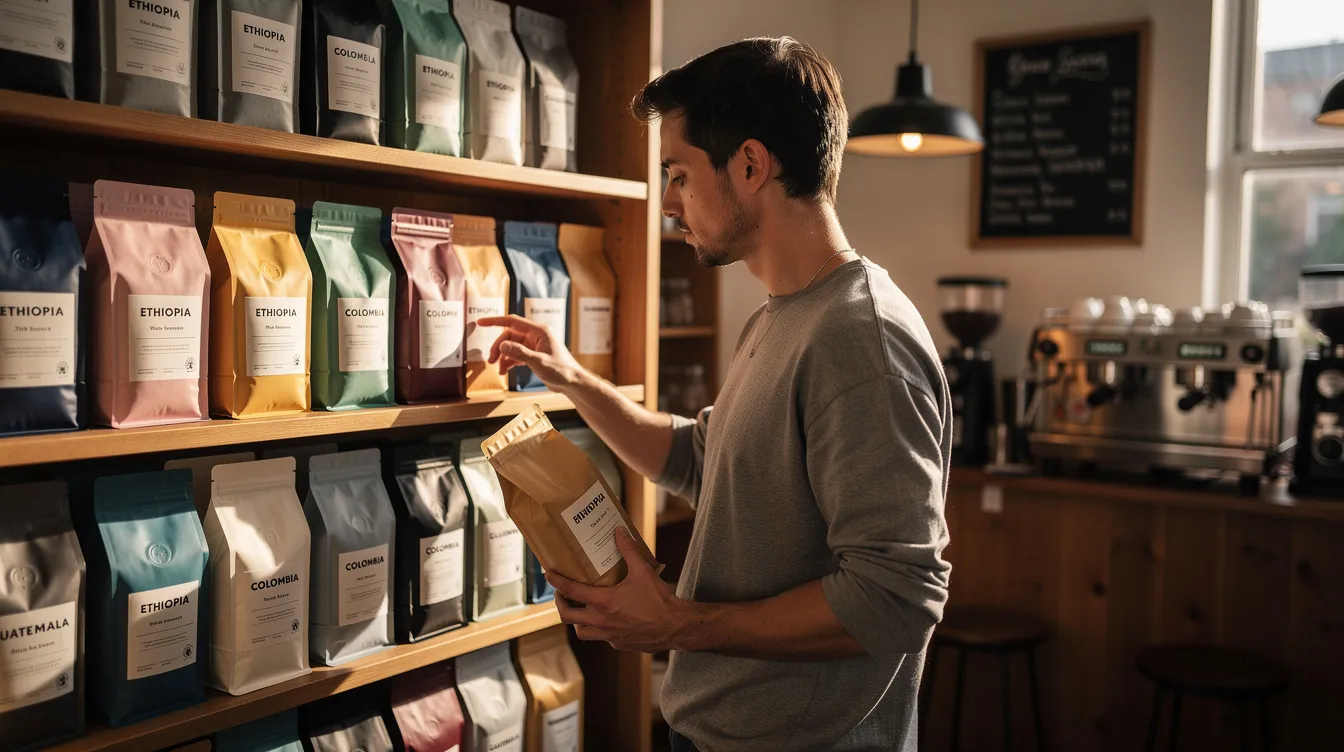
FAQ About Coffee Origins, Flavor, and Buying
Is single-origin coffee always better than blends?
“Better” depends on your goals. Single origin coffees highlight one place’s unique coffee taste and let you explore regional flavor. Blends combine beans from multiple origins for balance, consistency, and a specific result like creamy espresso blends. High-quality blends can be just as carefully sourced. Choose single-origin to explore, and blends when you want a reliable everyday profile.
Why do some Ethiopian or Kenyan coffees taste too sour to me?
What many people call “sour” is often vibrant acidity, which is stronger in high-altitude, lightly roasted African coffees. Try brewing slightly hotter or with a finer grind for better extraction. Or switch to medium roasts from Latin American origins if bright acidity is not enjoyable. Adding a bit of milk can also soften perceived acidity while keeping many of the fruity notes.
Can I judge coffee quality just by the country listed on the bag?
Country alone is not enough. Quality depends on region, altitude, processing methods, farm practices, and how fresh the coffee is. Look for region names (like Huila, Yirgacheffe, Tarrazú), altitude numbers, processing method, and roast date. Avoid bags with only vague labels like “100% Arabica” and no origin detail if you want to explore true coffee bean origins and flavor.
Does darker roast mean stronger coffee?
Dark roast tastes stronger with more bitter, smoky intense flavors, but usually has slightly less caffeine by weight than a light roast. “Strength” in the cup mostly comes from how much coffee you use per water (brew ratio), not just roast color. If you want stronger flavor, try increasing your dose or using espresso/French press rather than only buying darker roasts that hide coffee’s identity and origin character.
How important is freshness compared to origin?
Both matter, but for most home drinkers, freshness (roasted within 2–6 weeks and stored well) changes taste more than fine-grained origin differences. Stale coffee loses aroma, sweetness, and clarity, making origin distinctions harder to taste. Buy smaller amounts more often from roasters who print roast dates. Once fresh coffee is a habit, exploring new coffees from different coffee growing regions becomes far more rewarding. Every coffee enthusiast should make freshness the first priority before chasing exotic origins.